
Decode the Court: Why Nonverbal Communication is Your Secret Weapon
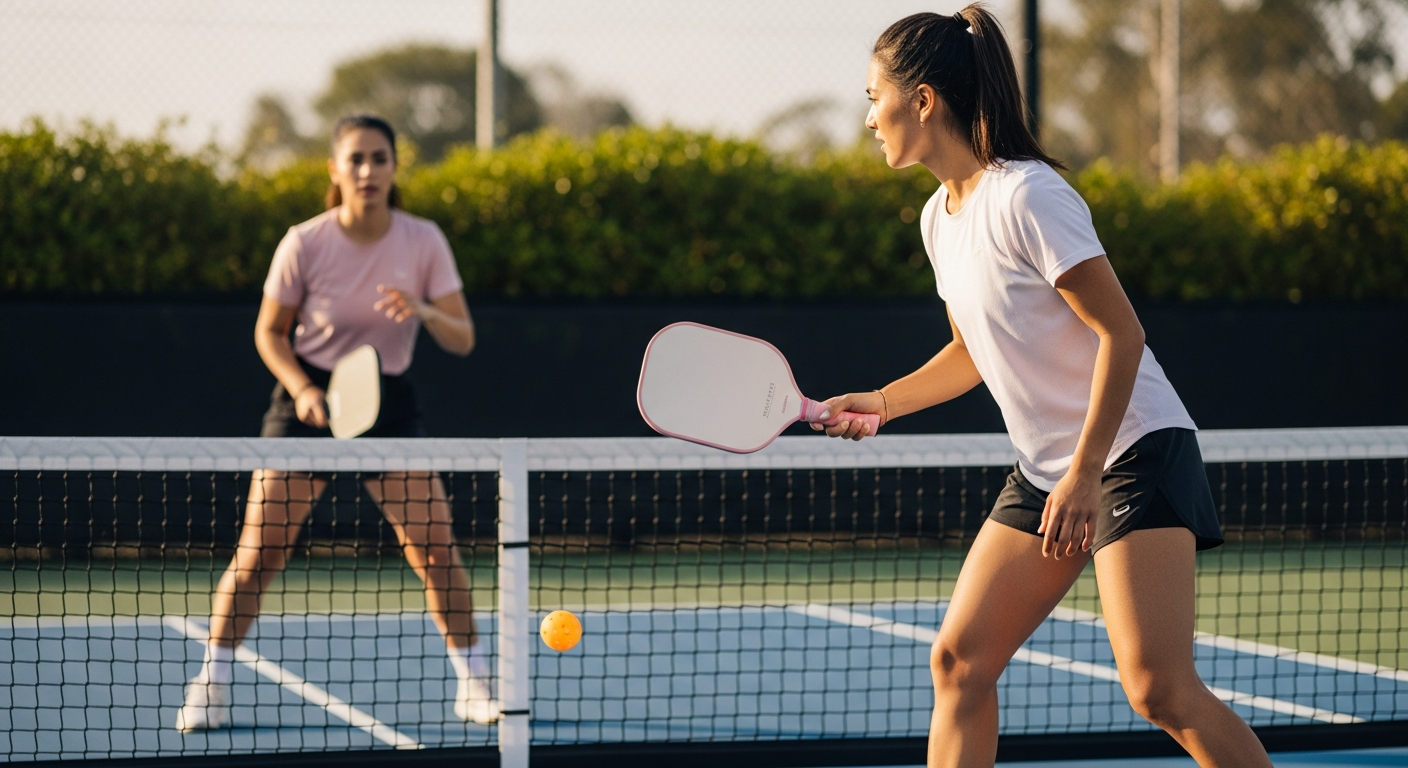
Ever watch a top-tier women's doubles team and marvel at how they seem to know exactly what the other player is going to do? It's not magic, dinks! It's the silent language of doubles, a sophisticated system of nonverbal communication that allows them to move as one. In competitive pickleball, especially at the intermediate and advanced levels, mastering this unspoken dialogue can be the difference between a good team and an unstoppable force. Forget shouting across the court; true synergy comes from subtle signals, shared understanding, and anticipatory movement. Let's dive deep into how you can cultivate this powerful nonverbal strategy to elevate your game and dominate every match.
Understanding and implementing effective nonverbal communication is a cornerstone of advanced doubles strategy. It's about building a partnership where intentions are clear, even without a single word. This post will break down key nonverbal cues, provide actionable drills, and discuss how to integrate these advanced techniques into your competitive play.
Pre-Point Protocols: Setting the Stage Without Saying a Word
Before the serve even leaves the paddle, you and your partner should be on the same page. This pre-point ritual is critical for establishing your doubles strategy.
- Eye Contact: This is fundamental. A quick glance, a nod, or even just a shared moment of focus can communicate readiness, confidence, or a specific plan. If you're planning a third shot drop, a quick look to your partner can confirm they're ready to crash the net.
- Paddle Tap: Beyond a friendly gesture, a paddle tap can signify 'let's go,' 'good job,' or even a silent reset after a tough point. It's a physical anchor for your mental connection.
- Hand Signals (Subtle): While not strictly nonverbal in the purest sense, subtle hand signals can be incredibly effective for serve return placement or indicating a poaching intention. Practice discreet signals for 'cross-court return,' 'down-the-line return,' or 'I'm poaching.' These should be quick and barely noticeable to opponents.
- Starting Position: Your initial positioning communicates your intent. Are you both starting wide, ready for a baseline rally, or is one player creeping in, signaling an aggressive net approach? Consistent starting positions for specific strategies help build a shared understanding.
In-Rally Cues: Reading and Reacting in Real-Time
Once the ball is in play, the nonverbal conversation becomes even more dynamic. This is where truly advanced techniques shine.
The Power of Proximity and Movement
Your movement and proximity to your partner speak volumes. Are you covering the middle? Are you shifting to open up a lane for your partner's shot? Synchronized footwork and court coverage are key indicators of a well-oiled machine.
- Mirroring: Observe how professional teams often mirror each other's movements. If one player takes a step back, the other subtly adjusts. This creates a balanced court and minimizes open spaces.
- The 'Line Dance': As one partner moves to hit a ball, the other should be anticipating and moving to cover the vacated space or prepare for the next shot. This constant, fluid adjustment is a hallmark of strong doubles strategy.
- Net Crash Signals: After a well-executed third shot drop, a quick, decisive move to the non-hitting partner's side of the net indicates readiness to put pressure on your opponents. Your partner should be moving forward in tandem.
Body Language Beyond the Basics
Beyond movement, your entire body can convey information.
- Head Nods/Shakes: A quick nod might confirm 'I've got it' on a ball in the middle, or a shake might say 'yours!' on a difficult shot. These are invaluable in fast-paced exchanges.
- Open Paddle Face: When at the net, an open paddle face can subtly signal to your partner that you're ready to block a hard drive or are looking for a dink exchange.
- Eye-Line on Opponents: Where are you looking? Are you watching your opponents' paddles, their feet, or the ball? Your focus communicates your defensive or offensive intent to your partner.
Drills to Develop Your Silent Language
Ready to put these advanced techniques into practice? These drills will help you and your partner build an intuitive nonverbal connection.
1. The Silent Dink Drill
Goal: Improve nonverbal communication during dink exchanges, focusing on court coverage and anticipation.
How to: Stand at the kitchen line with your partner. One player starts dinking cross-court. The other player at the net must adjust their position based on the trajectory and depth of the dink, without speaking. Focus on subtle shifts, covering the middle, and anticipating where the opponent might hit next. After a few minutes, switch roles. Add a condition where if a dink is hit wide, the other partner must verbally call 'yours!' or 'mine!' to practice boundary communication.
2. The No-Talk Third Shot Drop & Crash
Goal: Develop synchronized movement and understanding after a third shot drop.
How to: One partner serves, the other returns. The serving team executes a third shot drop. From the moment the third shot is hit, neither partner can speak. Both must move to the net in sync, anticipate the return, and work together to put away the point. This drill emphasizes knowing when your partner is covering the middle and when they expect you to take the next shot. Focus on quick, decisive steps to the net, and subtle glances to confirm positioning.
3. The Poach-Ready Drill
Goal: Hone nonverbal signals for poaching opportunities.
How to: Designate one partner as the primary poacher. The other partner's role is to set up poaching opportunities. The poacher must use a subtle, pre-determined nonverbal cue (e.g., a slight lean, a quick glance at the net, a tap on the leg) to signal their intention to poach. The partner must then hit a shot that facilitates the poach (e.g., a deeper dink, a slightly wider shot). The poacher then executes the poach. This drill requires strong trust and precise timing.
Building Trust and Understanding: Beyond the Court
True nonverbal communication isn't just about signals; it's about a deep understanding of your partner's game. Spend time analyzing each other's strengths and weaknesses. Discuss your preferred shots, your comfort zones, and your tendencies under pressure. This shared knowledge forms the foundation for intuitive court awareness.
Remember, communication is a two-way street. Be an active listener, both verbally before the match and nonverbally during play. Pay attention to your partner's posture, their reactions, and their court positioning. The more you observe, the better you'll become at anticipating their next move and providing the support they need.
Ready to take your game to the next level? Explore pro-level paddles that can enhance your control and power, giving you the edge in those critical moments. Visit our shop to find your perfect match!
Conclusion: Speak Volumes Without Saying a Word
Mastering the silent language of doubles is an advanced technique that transforms your pickleball partnership into a formidable force. By focusing on pre-point protocols, understanding in-rally cues, and practicing targeted drills, you and your partner can develop an almost telepathic connection on the court. This enhanced nonverbal communication strategy will not only improve your tournament results but also make playing together an even more rewarding and seamless experience. So, next time you step onto the court, remember: sometimes, the loudest statements are made in silence.
Want to find local courts or connect with other players to practice your new communication skills? Check out our court finder and browse upcoming events in your area!
Women-owned, women-focused pickleball. We write about the gear, the game, and the culture. Live bold, play beautifully. 🌸
Keep reading
Join the conversation 🌸
Get The Daily Dink and weigh in every week.