

The 2026 Rulebook and the Immediate Line Call
Hey Dinkers! Let's dive into something super important for every competitive pickleball player: mastering the art of the immediate line call. With the 2026 rulebook in full effect since January 1, 2026, understanding and executing fair, decisive line calls is more crucial than ever, especially in doubles strategy. No more hemming and hawing; the rules are clear, and clarity benefits everyone on the court. This isn't just about avoiding arguments; it's about maintaining the integrity of the game and ensuring a smooth, fast-paced match.
An immediate line call means exactly what it sounds like: a call must be made as soon as the ball lands, or you lose the right to make it. This rule encourages attentiveness and confidence, and it’s a game-changer for how we approach competitive play. Let's break down what this means for your game and how you can hone your skills to become a line-calling pro!
Why Immediate Calls are a Game-Changer for Doubles Strategy
In the fast-paced world of pickleball doubles, every second counts. A delayed line call can disrupt the flow of play, lead to confusion, and even cause unnecessary tension. The 2026 rulebook emphasizes immediacy to keep the game moving and to place the responsibility firmly on the player whose side the ball landed on. This impacts advanced techniques and tactics significantly.
- Eliminates Ambiguity: If a call isn't signaled or voiced immediately, the ball is considered in.
- Promotes Focus: Players must be acutely aware of the lines at all times, not just when they hit the ball. This can improve overall court awareness.
- Reduces Disputes: Clear, immediate calls leave less room for debate, fostering a more positive playing environment. If you and your doubles partner disagree on a line call, the ball is ruled in.
- Fair Play: It ensures that calls are based on direct observation, not on reviewing a rally after it's over.
Think about it: in a high-stakes tournament match, a quick, confident 'OUT!' or allowing a clear 'IN' ball to play can be the difference between winning and losing a point, or even the entire game. This rule is designed to push us all to be better, more attentive players.
Understanding the "Immediate" Aspect: What Does It Really Mean?
The term "immediate" might feel a little vague, but the spirit of the rule is quite clear. An immediate line call must be made before an opponent strikes the ball or the ball becomes dead.
- Before Opponent Strikes: If the ball is clearly out and your opponent is about to hit it, you must make the call before they make contact. If they hit it and then you call it out, the call is invalid, and play continues.
- Clear and Audible: Your call needs to be loud enough for all players to hear. A mumbled 'out' that only you hear doesn't count.
Practicing this level of awareness requires mental discipline. It's not just about seeing the line; it's about processing that information and vocalizing it instantly. This is a subtle but powerful part of competitive strategy.
Drills to Sharpen Your Line-Calling Acuity
You might be thinking, "How do I practice making line calls?" Great question! While you can't exactly drill making calls in a vacuum, you can absolutely train your eyes and reflexes to be sharper, making those immediate calls second nature.
Drill 1: "Line Focus" Warm-Up
Before any game or practice session, spend 5-10 minutes with a partner focusing solely on line awareness.
- Have your partner hit serves and drives to various parts of the court, aiming near the lines.
- Your only job is to watch the lines. Don't worry about hitting the ball back initially.
- As soon as the ball lands, verbally call "IN" or "OUT" loud and clear. Your partner confirms.
- Gradually introduce returning the ball, but maintain your intense focus on the lines.
This drill trains your eyes to automatically scan the boundaries, a crucial footwork and vision skill for advanced players.
Drill 2: "Fast-Paced Dink Line Watch"
This drill helps with immediate calls during fast dink exchanges, a common scenario where calls can get tricky.
- Engage in a quick dink exchange at the Non-Volley Zone (NVZ) line with a partner.
- One player (Player A) focuses on hitting dinks as close to the NVZ line as possible, varying depth.
- The other player (Player B) focuses on making immediate "IN" or "OUT" calls on Player A's dinks.
- Switch roles after a set time or number of dinks.
This drill specifically targets the critical NVZ line, where many close calls occur. It refines your ability to make rapid decisions under pressure, an essential part of tournament play.
Drill 3: "Simulated Game Play with Observer"
Play a regular game of doubles, but have a neutral observer (if available) specifically watch for line calls. The observer does not make calls but notes any delayed or missed calls.
- After each point where a call was made, briefly discuss with the observer if the call was immediate and clear.
- Focus on verbalizing your calls confidently.
This feedback mechanism is invaluable for improving your on-court performance and understanding the nuances of the rule.
The Pro Mindset: Fairness and Confidence
Remember, the spirit of the rule is about fair play. If you're truly unsure, the ball is considered in. It's always better to give the benefit of the doubt than to make a questionable call that could sour the game.
Developing a confident line-calling ability is as much a mental game as it is a physical one. Trust your eyes, make the call decisively, and move on. This confidence will spill over into other aspects of your game, from your third shot drop to your overall court presence.
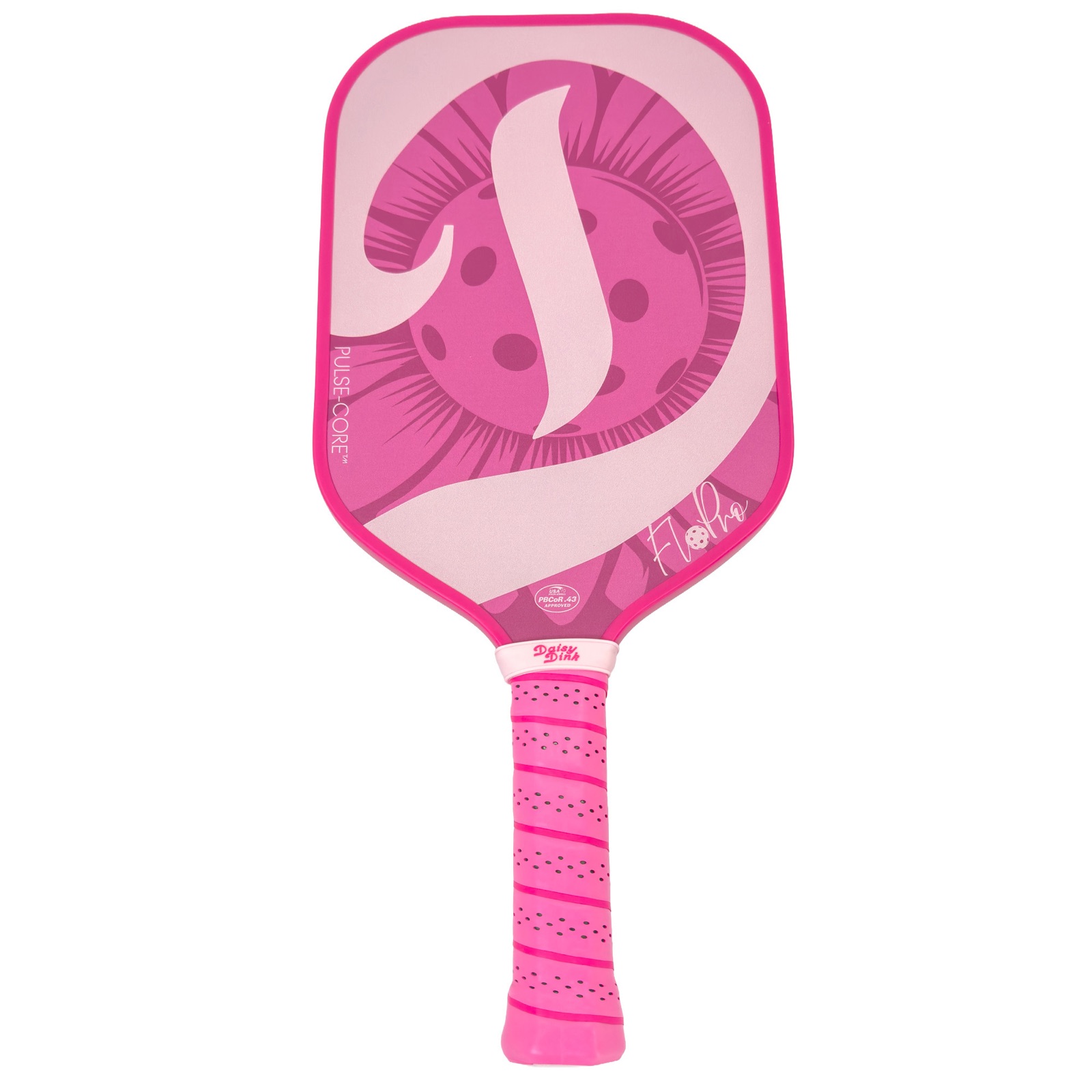
For those looking to elevate their game further and ensure they have the right gear for competitive play, check out the Daisy Dink FloPro Pulse-Core Pro Paddle. Its design is engineered for precision and control, helping you place those shots exactly where you want them, making your opponent's line calls even tougher!
Conclusion: Be a Rule-Savvy Dink Star!
Mastering the immediate line call isn't just about following rules; it's about enhancing your competitive edge and contributing to a better pickleball experience for everyone. By understanding the 2026 rulebook, practicing your observation skills, and playing with integrity, you'll become a more respected and effective player on the court. So next time you step onto the court, keep those eyes sharp and those calls quick!
Ready to sharpen your skills? Find local courts and events to practice your new line-calling prowess at our court finder or check out upcoming Daisy Dink events near you!

Women-owned, women-focused pickleball. We write about the gear, the game, and the culture. Live bold, play beautifully. 🌸
Keep reading

Join the conversation 🌸
Get The Daily Dink and weigh in every week.