

Get Ready for a Spin Revolution!
Hey pickleball queens! Have you heard the buzz about USA Pickleball's new spin test rule? It's a game-changer, literally, and it officially takes effect on October 1, 2026. If you've been wondering what the 2100 RPM rule means for your beloved paddle and your game, you've come to the right place. Let's break down what this update means for paddle technology and how you can still find the perfect paddle to keep your opponents guessing.
For a while now, spin has been a huge part of high-level pickleball, allowing players to create incredible angles and make the ball dance. The new rule aims to standardize paddle performance, ensuring fair play and keeping the focus on skill rather than extreme gear advantages. So, what exactly is the 2100 RPM rule?
What is the 2100 RPM Spin Test?
In short, the 2100 RPM (Revolutions Per Minute) rule sets a maximum limit on the amount of spin a paddle can impart on a pickleball during a standardized test. USA Pickleball, in conjunction with industry experts, developed a rigorous testing protocol to measure the spin potential of paddles. Any paddle exceeding this 2100 RPM threshold will not be approved for sanctioned play. This means manufacturers are now designing paddles specifically to stay within this limit while still offering excellent playability.
The goal isn't to eliminate spin entirely, but to level the playing field. Think of it like putting a speed limit on cars – you can still drive fast, but there are boundaries. For us pickleball enthusiasts, it means a more consistent experience across different paddles and a renewed emphasis on technique.
How Does the Rule Impact Paddle Technology?
Before this rule, some paddles were designed with incredibly aggressive textures on their carbon fiber face, specifically to maximize spin. While these could be fun, they sometimes led to unpredictable ball flight and a reliance on gear over finesse. With the 2100 RPM limit, manufacturers are now focusing on a more balanced approach to paddle design.
The Role of the Carbon Fiber Face
The raw carbon face has been a popular choice for its ability to generate spin, and it's still fantastic! However, you might see subtle changes in the texture or finishing of these faces. Instead of aiming for the absolute maximum grit, paddle makers are optimizing the surface for consistent, controlled spin that stays within the rules. This means you can still expect excellent grip on the ball for topspin and slice, just not the super-aggressive, sometimes inconsistent, spin of the past.
Core Thickness and Control
With spin somewhat regulated, other paddle characteristics become even more important for giving you an psychological edge. This is where core thickness really shines. Paddles with a thicker core, like a 16 mm honeycomb control paddle, offer increased dwell time, meaning the ball stays on the paddle face a tiny bit longer. This translates directly to better control and touch, allowing you to place shots with precision and absorb pace effectively.
A thicker core can also contribute to a softer feel, which is fantastic for dinks and drops. While a thinner core might offer more power, the control benefits of a thicker core are becoming increasingly valuable in the post-2100 RPM era. It's all about finding that sweet spot for your game.
Foam Core and Edge Guard Technology
Another area where paddle technology continues to evolve is in the use of foam cores and specialized edge guards. Some paddles incorporate foam into the perimeter or throughout the core to enhance stability and expand the sweet spot. This can make a paddle feel more forgiving and powerful, even on off-center hits.
While foam core technology doesn't directly impact spin, it contributes to overall playability, which is crucial when you're focusing on control and shot placement. A stable paddle allows you to swing confidently and consistently, which is key to executing those tricky spin shots within the new limits.
How to Choose a Paddle in the New Era
So, with all these changes, how do you choose a paddle that's perfect for you? It still comes down to understanding your playing style and what feels good in your hand. Here's a quick guide to help you navigate your options:
1. Paddle Weight: Power vs. Control
- Lighter Paddles (under 7.5 oz): Easier to swing quickly, great for fast hands at the net and quick resets. Less power, but fantastic for control and maneuverability.
- Mid-Weight Paddles (7.5-8.4 oz): A popular choice, offering a good balance of power and control. Versatile for many playing styles.
- Heavier Paddles (8.5+ oz): More power and stability, especially good for driving from the baseline. Can be harder to maneuver quickly at the net.
Consider your physical strength and how much power you naturally generate. If you find yourself overhitting, a lighter paddle might help with control. If you struggle to get depth, a slightly heavier paddle could add some pop.
2. Grip Size: Comfort is Key!
This is often overlooked but so important! The right grip size prevents injury and allows for better paddle control. You want to be able to comfortably wrap your hand around the grip without your fingers digging into your palm or leaving a huge gap.
- To test: Hold the paddle in your dominant hand with a comfortable grip. You should be able to fit the index finger of your non-dominant hand in the gap between your ring finger and palm.
- If there's no space, the grip might be too small.
- If there's a lot of space, the grip might be too large.
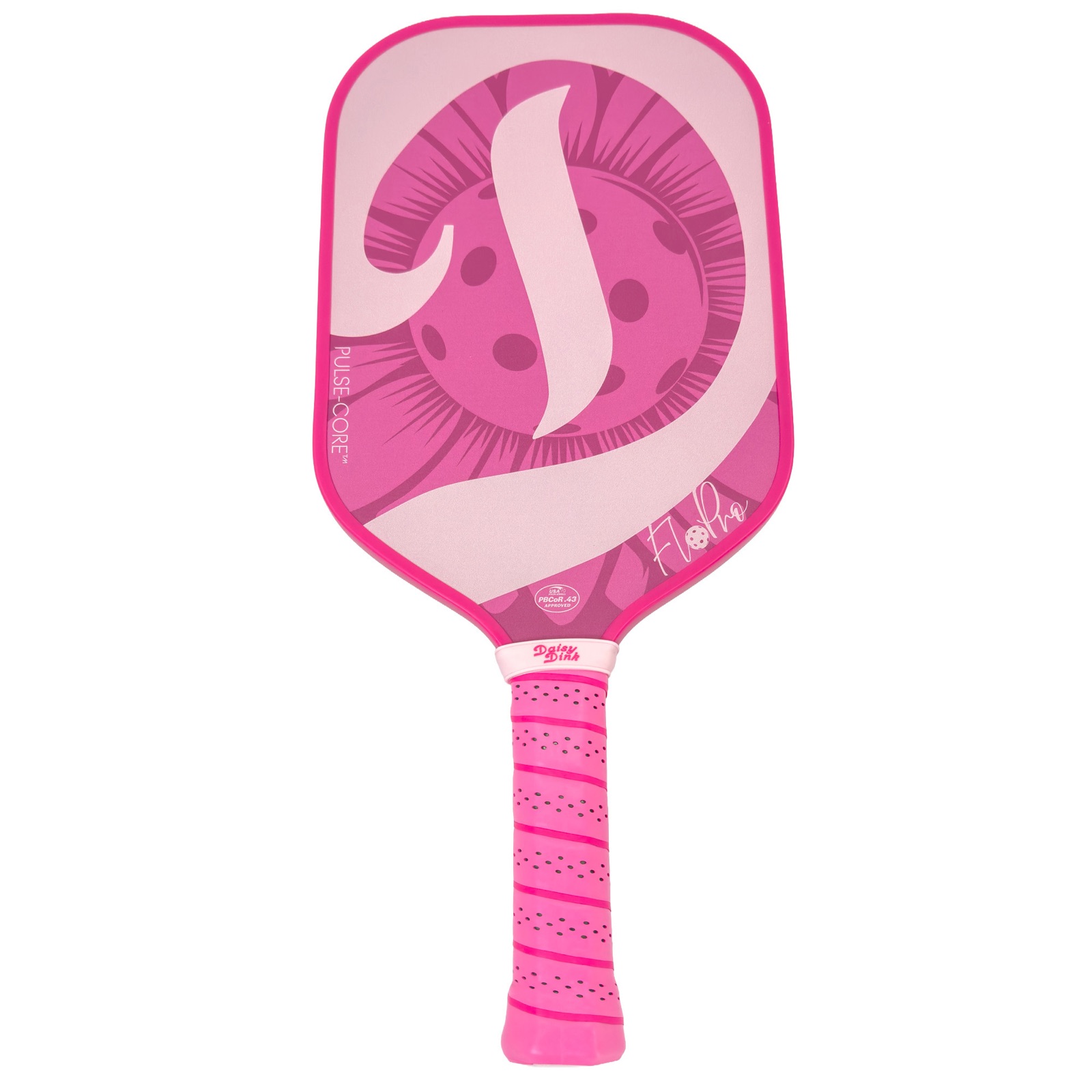
Many paddles come in standard grip sizes, but you can always add an overgrip to build it up slightly if needed. Our Daisy Dink FloPro Pulse-Core Pro Paddle is designed with a comfortable grip, perfect for women's hands.
3. Core Thickness: Control and Touch
As we discussed, core thickness is a big deal now. Thicker cores (16mm and up) generally offer more control, a softer feel, and better shock absorption, which is great for your arm! Thinner cores (13mm-14mm) tend to provide more power but can have a smaller sweet spot and less touch.
If your game relies on dinks, drops, and precise placement, a thicker core will be your best friend. If you're a power player who loves to drive, you might prefer a slightly thinner core, but remember the trade-off in control.
4. Paddle Shape and Sweet Spot
Paddles come in various shapes: standard, elongated, and wide body. Each has its pros and cons:
- Standard Shape: A balanced approach, good for all-around play.
- Elongated Shape: Offers more reach and leverage for power, but typically has a smaller sweet spot.
- Wide Body Shape: Provides a larger sweet spot for forgiveness, but can feel less aerodynamic.
Consider what kind of shots you prioritize. If you want maximum forgiveness, a wide body might be for you. If you're chasing every ball and need extra reach, an elongated paddle could be beneficial.
Trying Before You Buy
The best way to figure out what you like is to try different paddles! Head to your local open play session and ask fellow players if you can borrow their paddles for a few points. Most pickleballers are happy to share. This gives you a real feel for how different weights, grip sizes, and core thicknesses impact your game.
Remember, the 2100 RPM rule is about creating a level playing field, not stifling innovation or fun. Manufacturers are still creating fantastic paddles that offer incredible feel, control, and just the right amount of spin to make your shots sing.
Our Daisy Dink FloPro Pulse-Core Pro Paddle is engineered with a 16mm core and a raw carbon face to give you that perfect blend of control, touch, and rule-compliant spin. It's designed to help you elevate your game while staying within the new guidelines.
Conclusion: Embrace the Change!
The new spin test is an exciting development for pickleball, ensuring the sport remains fair and challenging for everyone. It encourages players to focus on skill and strategy, which is what pickleball is all about! Don't let the technical jargon intimidate you; armed with this knowledge, you're ready to make an informed decision about your next paddle.
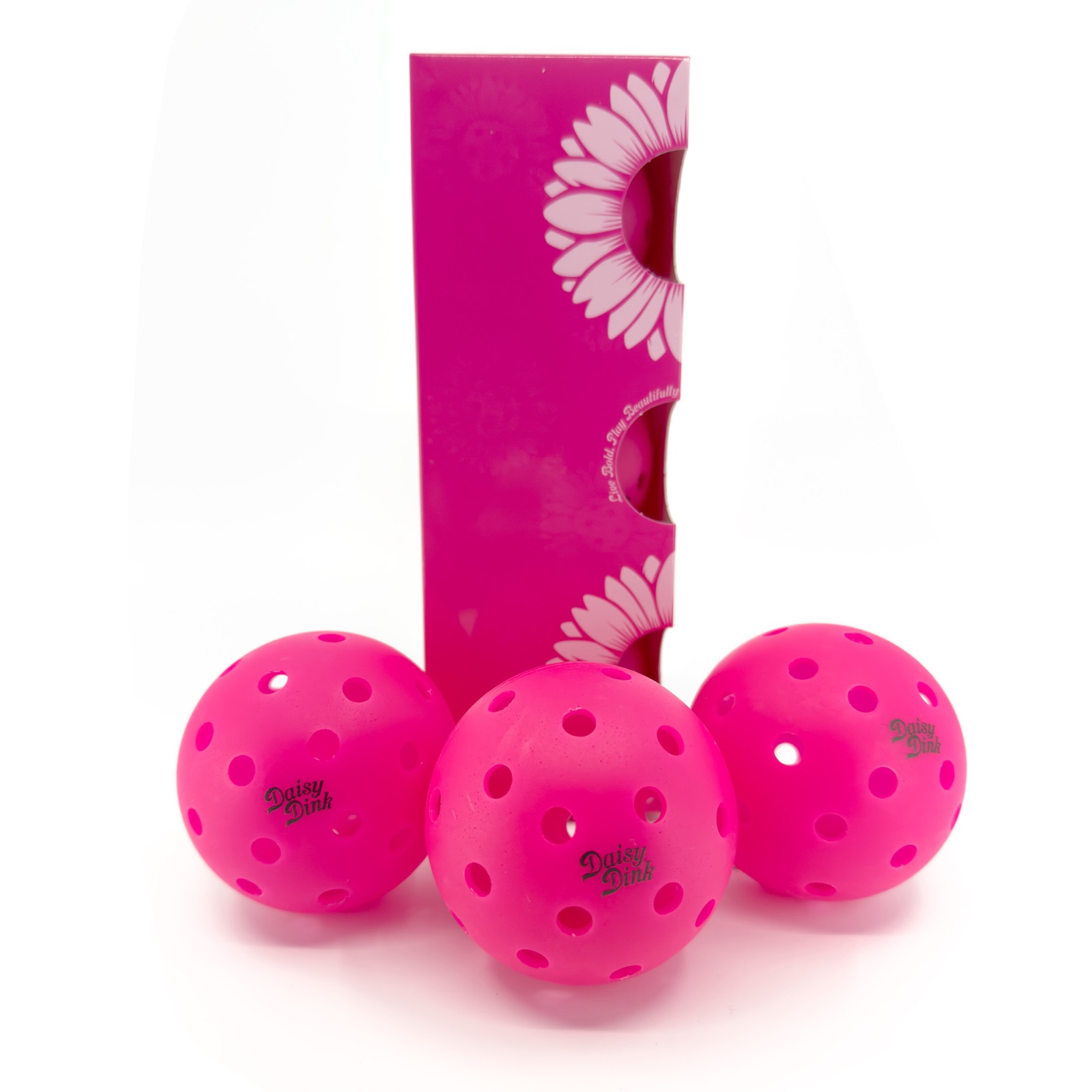
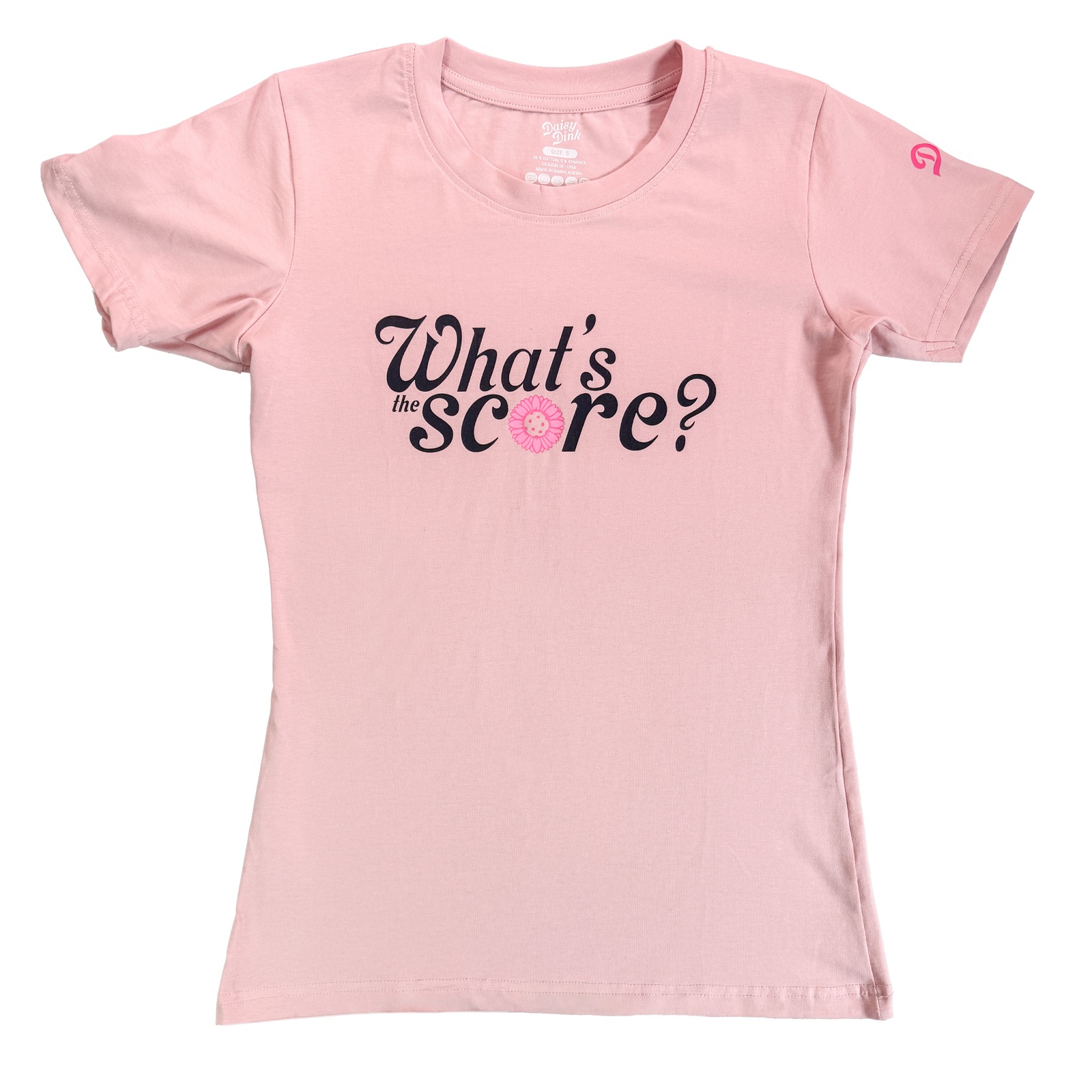
Ready to put your knowledge to the test? Check out our full range of Daisy Dink gear to complete your pickleball look and elevate your game!
Women-owned, women-focused pickleball. We write about the gear, the game, and the culture. Live bold, play beautifully. 🌸
Keep reading

Join the conversation 🌸
Get The Daily Dink and weigh in every week.