The Art of the Dink: Your Ultimate Guide to Precision and Patience
Pickleball is a game of strategy, skill, and finesse—and nowhere is this more evident than at the net. The "soft game," centered around the dink, is a delicate, controlled art form that can set you up for victory. Whether you’re new to the game or a seasoned player, mastering the dink is essential for controlling the pace and dominating the court.
At Daisy Dink, we believe the dink is more than a shot; it’s a mindset of precision and patience. It’s so central to our philosophy, it inspired our name! As a veteran- and woman-owned company, we're on a mission to empower women in pickleball with high-quality, thoughtfully designed products that blend style with performance.
What You'll Learn In This Guide:
- The "What" and "Why": Understand what a dink is and why it's the most crucial strategic shot in pickleball.
- Perfecting Your Technique: Master the fundamentals of grip, footwork, and generating a soft touch.
- Common Mistakes & Fixes: Identify and correct the 6 most common dinking errors.
- Actionable Drills: Practice solo and partner drills designed to build muscle memory and precision.
- Advanced Strategy: Learn how to use dinks to outsmart your opponents and set up winning plays.
Let’s get started and level up your net game!
What is a Dink, Anyway?
Simply put, a dink is a soft, controlled shot that you hit from your Non-Volley Zone (or "Kitchen") line, which lands in your opponent’s Kitchen. Unlike powerful drives, the dink is about finesse. It’s a strategic shot designed to neutralize attacks, force errors, and patiently wait for the perfect moment to win the point.
Why Dinking Is Your Strategic Superpower
The dink might seem passive, but it’s one of the most powerful tools in your arsenal. Mastering it is crucial for a few key reasons:
- It Controls the Pace of the Game: Dinking slows the game down, forcing your opponents to play at your tempo and disrupting their rhythm.
- It Reduces Unforced Errors: A calm dink rally is a safe rally. By keeping the ball low and controlled, you dramatically reduce the risk of hitting it out of bounds or into the net.
- It Sets Up Winning Shots: A well-placed dink forces your opponent into an awkward position, often causing them to pop the ball up for you to put away.
- It Tests Your Opponent’s Patience: Many players lack the discipline for a long dink rally. By staying consistent and patient, you can frustrate your opponents into making a mistake.
- It's Essential for Advanced Play: At higher levels, the dink isn't just part of the game—it is the game. You cannot compete effectively without a strong, reliable dink.
Techniques for the Perfect Dink
Mastering the dink requires a combination of proper technique, focus, and practice.
1. Grip and Paddle Angle
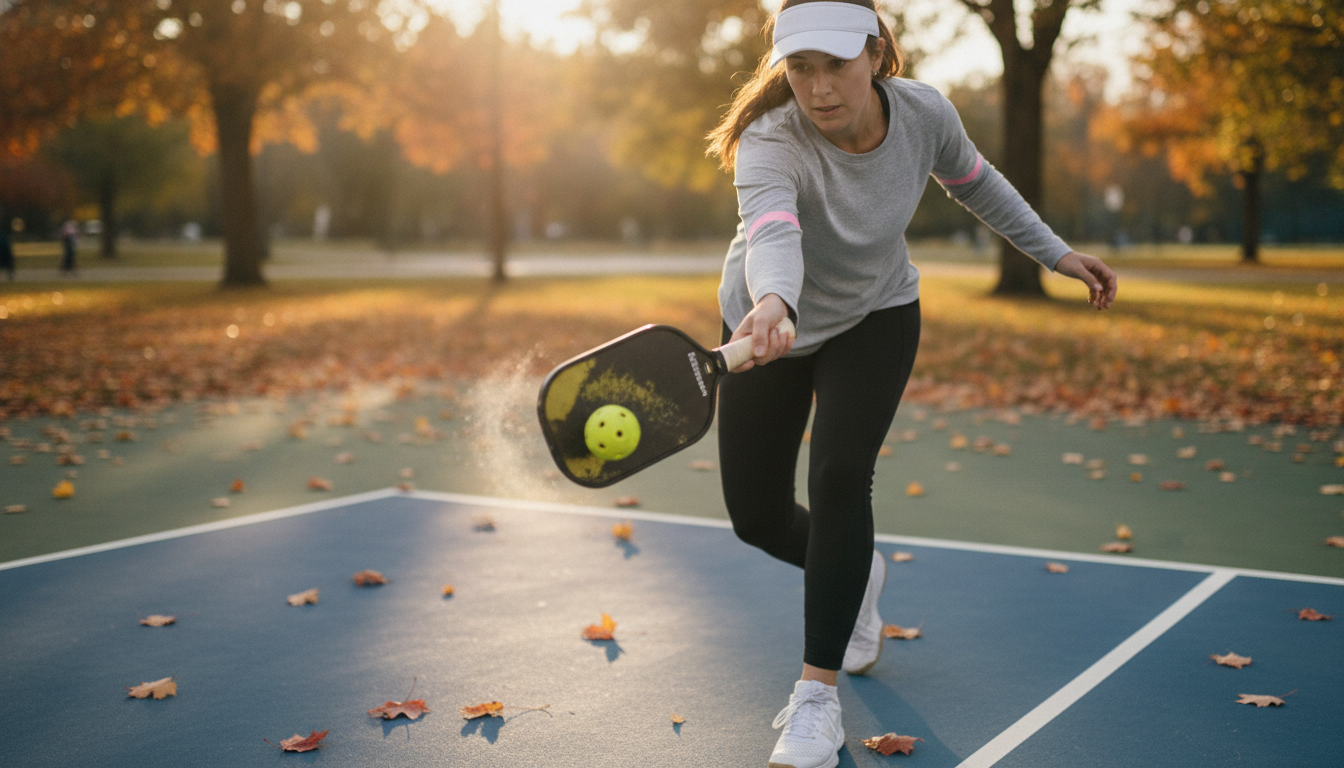
- Use a Relaxed Grip: Hold your paddle with a loose, "soft" grip. A tight, "death grip" will make your shots stiff and difficult to control.
- Keep the Paddle Face Open: Angle your paddle face slightly upward to create a soft, gentle arc that clears the net and drops into the kitchen.
2. Footwork and Positioning
- Stay Low and Ready: Always be in an athletic stance with your knees bent and your weight slightly forward. This keeps you balanced and ready to react.
- Use Small, Quick Steps: Adjust your position with small steps to stay balanced and in control.
3. Soft Hands and Touch
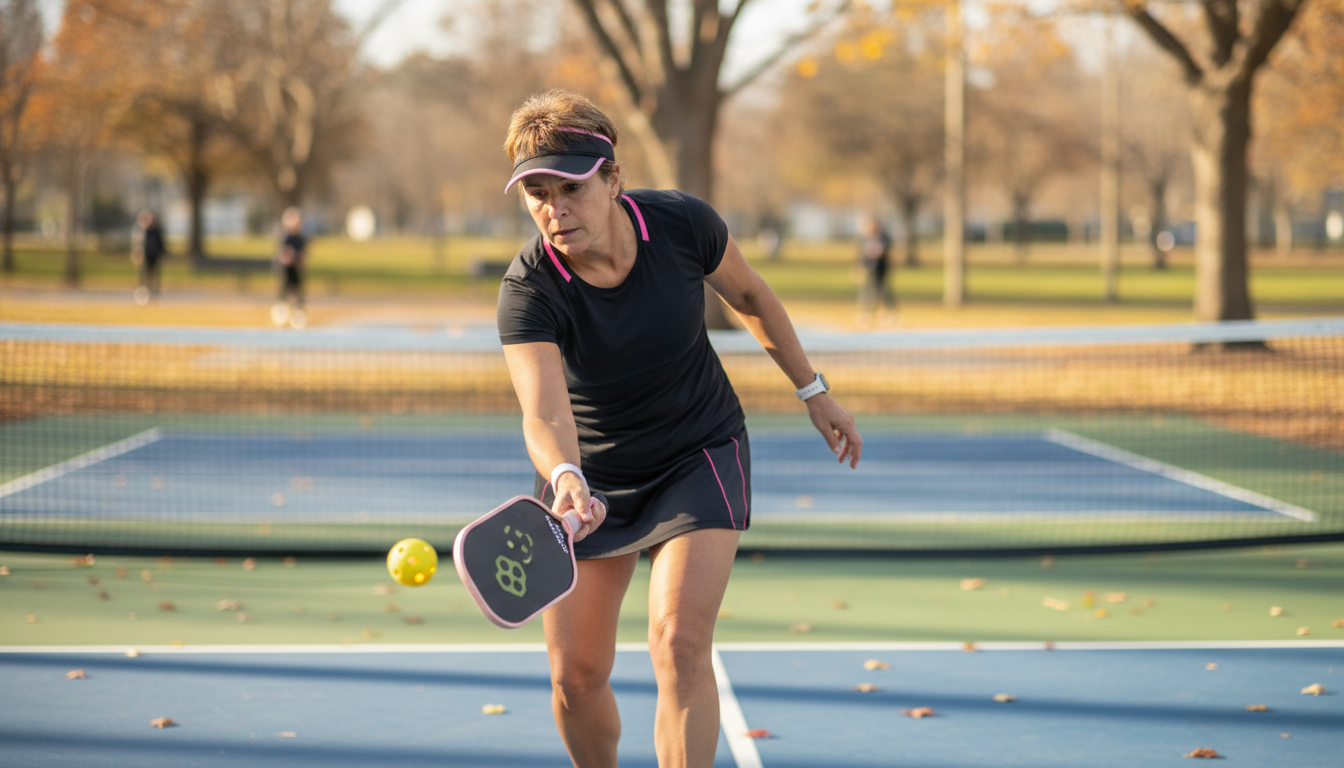
- Absorb the Pace: Instead of swinging at the ball, think of "catching" it with your paddle and gently pushing or lifting it back over the net.
- Minimal Backswing: A short, compact motion is key. This prevents you from adding too much power and makes your shots more consistent.
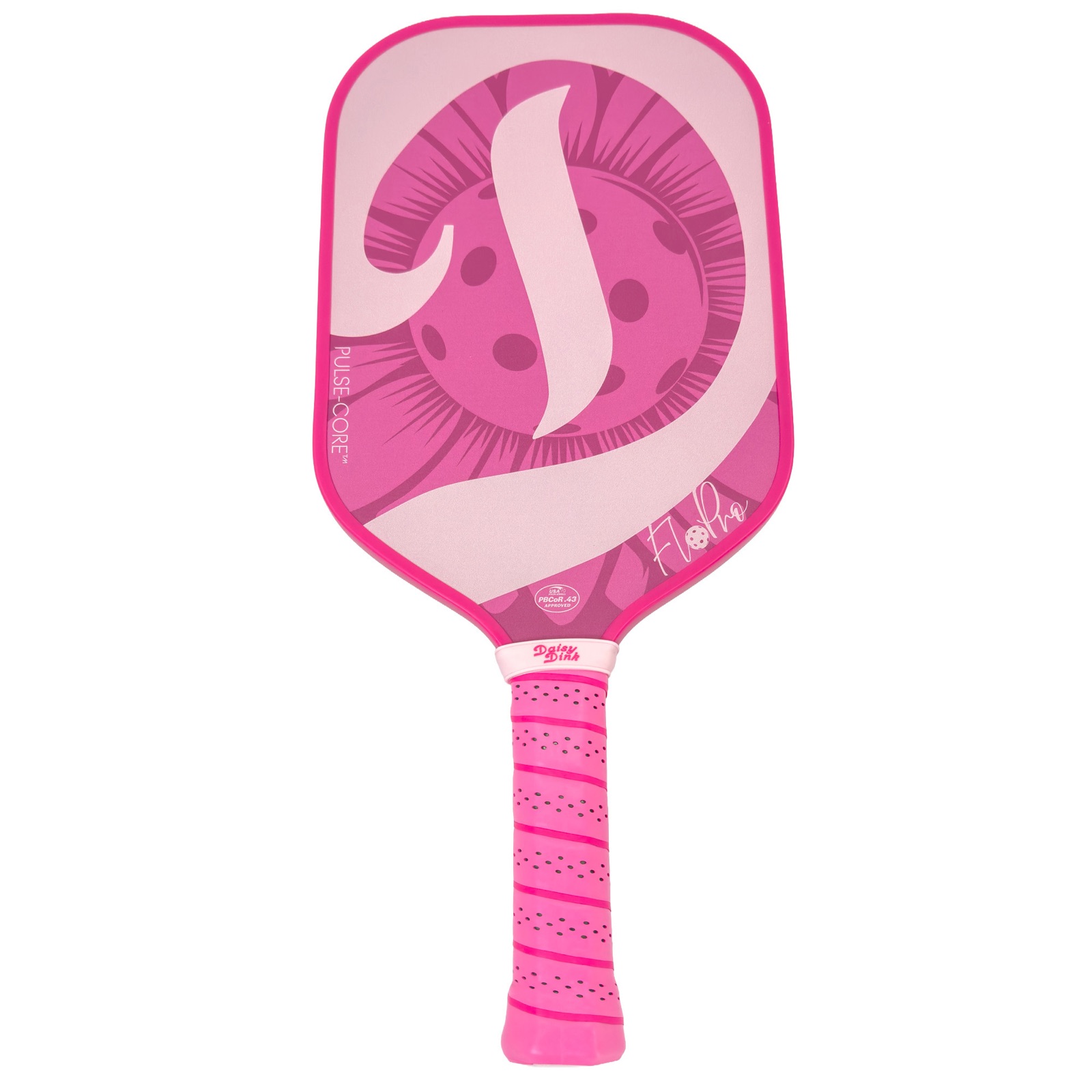
A Pro-Tip from Daisy Dink: A relaxed grip is everything! We designed the grips on our paddles—like the high-performance Focus (Carbon Fiber) —to provide maximum comfort and tackiness. This allows you to maintain that soft touch without over-gripping, even during the most intense dink rallies.
Common Dinking Mistakes & How to Fix Them
Every player makes these mistakes. The key is to recognize and correct them.
- Mistake #1: Popping the Ball Up
- The Fix: This often comes from too much wrist movement or an overly steep paddle angle. Focus on keeping your wrist firm and using a gentle lifting motion from your shoulder.
- Mistake #2: Hitting Too Hard or Too Soft
- The Fix: Practice hitting against a wall or fence. Aim for a consistent, gentle arc that would land just over the net. This builds incredible muscle memory for touch and feel.
- Mistake #3: Standing Too Upright
- The Fix: Get low! A good athletic stance with bent knees is non-negotiable for an effective dink. It lowers your center of gravity and improves your balance.
- Mistake #4: Lack of Patience
- The Fix: This is a mental correction. Remind yourself that the goal of a dink is not to win the point outright but to wait for your opponent to make a mistake. Embrace the rally!
Drills to Master Your Dink
Practice is everything. Dedicate time to these drills 2-3 times a week to see real improvement.
Solo Drills
- Wall Dinking: Stand about 10 feet from a wall and hit soft, controlled dinks against it. Focus on maintaining a consistent rhythm and height.
- Target Practice: Place a target (like a cone or a towel) in your kitchen and aim your dinks to land on or near it. Practice hitting to different spots.
Partner Drills
- Cross-Court Dinking: Stand diagonally from your partner at the kitchen line and dink back and forth. This is the most common dinking pattern in a real game.
- Dink to Speed-Up: After 5-10 successful dinks, have one player hit a hard, aggressive shot. The other player's job is to "reset" it with a soft block back into the kitchen. This simulates real game scenarios.
Advanced Dinking Strategies
Once you're comfortable with the basics, you can use dinks as an offensive weapon.
- The Cross-Court Dink: Forces your opponents to move and opens up the middle of the court.
- The Speed-Up: A surprise attack during a dink rally, aimed at your opponent's feet or body to force a pop-up.
- The Reset: The crucial defensive dink. When your opponent attacks, you absorb their power with a soft block to drop the ball back into the kitchen and neutralize the threat.
- The Middle Dink: In doubles, dinking down the middle creates confusion and can force an error as your opponents hesitate.
Conclusion: Own the Net
The dink is the heart of pickleball strategy. It requires precision, patience, and finesse, and mastering it will unlock a new level of confidence in your game.
Now grab your paddle, hit the court, and start practicing. With dedication and the right tools, you’ll soon be dominating the net and outsmarting your opponents. Ready to take your game to the next level? Explore our collection today!