
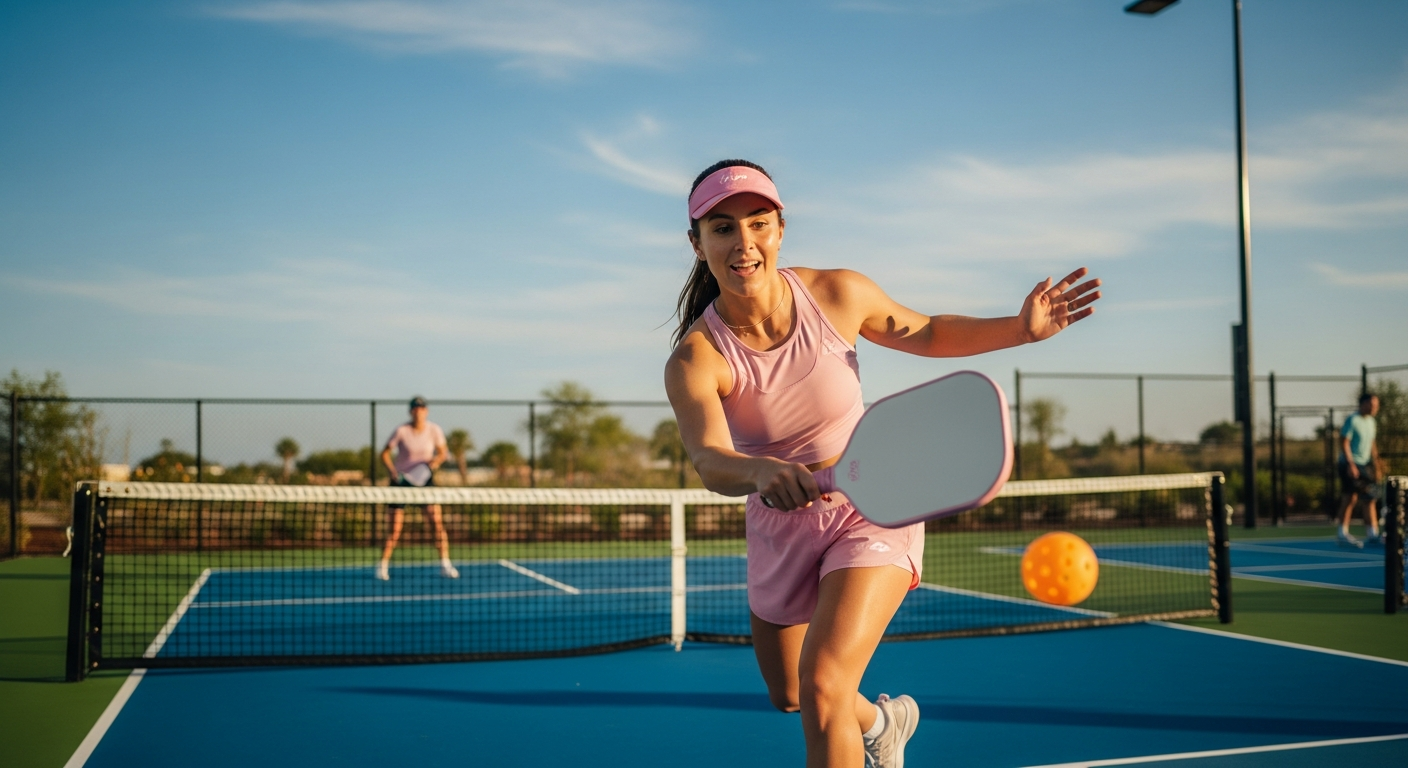
Hello, Pickleball Pal! Let's Talk Rules!
Hey there, fabulous beginner! If you've been dipping your toes into the wonderful world of pickleball, you might have heard whispers (or shouts!) about some rule changes coming our way in 2026. "Rule changes?!" you might gasp, clutching your first paddle. "But I just learned the basics!"
Don't you worry your pretty little head! At Daisy Dink, we're all about making pickleball for beginners as joyful and straightforward as possible. We're here to walk you through what these updates *really* mean for your game – because let's be honest, we're mostly concerned with keeping the fun factor at an all-time high!
Think of this as your friendly guide, breaking down the jargon and getting straight to what matters for you to enjoy every dink, drive, and volley. Let's dive into the 2026 pickleball rule changes, Daisy Dink style!
The Big Picture: Why Rule Changes Happen
Before we get into the nitty-gritty, you might be wondering why rules change at all. Well, pickleball is growing faster than a sunflower in July, and with that growth comes a need to refine things. It's about making the game fairer, more consistent, and sometimes, even more exciting for everyone from casual players to seasoned pros. For us beginners, it mostly means a few tweaks to how we approach the game, but nothing that should send you running for the hills!
The Serve: Still Simple, But Pay Attention to the Drop!
Ah, the serve – the very start of every fantastic rally! The good news is that the fundamental idea of serving hasn't dramatically shifted. You still serve underhand, below the waist, and aim diagonally into your opponent's service box. That's pickleball 101!
However, one key area that's seen some clarification (and a slight tweak) is around the "drop serve." Remember, with a drop serve, you drop the ball and hit it after it bounces. The big clarification for 2026 is that the ball *must* be dropped from a natural, uncontrolled release from your hand or paddle. You can toss it upward, but you cannot propel it downward or add spin on the drop! This just ensures fairness and consistency in how everyone serves. For beginners, this just reinforces what you're probably already doing – a simple, straight-down drop. Keep practicing that gentle drop, and you'll be golden!
No More "Spin Serve" Drama (for most of us)
While the spin serve (where players impart crazy spin on the ball before contact) has been a hot topic among advanced players, it's something most beginners don't even think about. For 2026, the rules clarify that spin created at paddle contact is legal, while manipulating or spinning the ball *before* contact (with hand or fingers) remains illegal. This distinction helps ensure fairness and consistency, particularly for those facing advanced serves. Hooray for more returnable serves!
The Kitchen Line (Non-Volley Zone): Still Sacred!
The Non-Volley Zone, affectionately known as "The Kitchen," remains one of pickleball's most unique (and sometimes confusing) rules for beginners. And guess what? Its sacredness is still very much intact! You still cannot volley (hit the ball out of the air) while standing in the Kitchen or on the Kitchen line. If your momentum carries you into the Kitchen after a volley, that's still a fault.
The 2026 rules primarily offer some clearer definitions around fault calls related to the Kitchen, particularly when it comes to players and their equipment crossing the line. For you, the takeaway is the same: respect the Kitchen! Practice staying out of it when you're hitting volleys. It might feel counterintuitive at first, but it's a huge part of the strategy and fun of the game. Remember, it's okay to step into the Kitchen *after* the ball has bounced, so don't be afraid to retrieve those dinks!
Scoring and Faults: Clarity is Key
The fundamental scoring system (side out scoring to 11, win by 2, 0-0-2 to start) hasn't changed its core. You still need to serve to score in side-out scoring. These are the basics of how to play pickleball that will always be true! However, for rally scoring (used in some tournaments), a significant change for 2026 is the elimination of the "freeze" rule, meaning either the serving or receiving team can now score the game-winning point.
What the 2026 rulebook does bring is more precise language around various types of faults. Think of it as tightening up the definitions to avoid confusion. For example, the rules clarify that a double hit (or even a triple hit or beyond) is legal if it occurs during a continuous, single-direction stroke by one player. However, a "carry" (holding the ball on the paddle briefly) is always a fault. As a beginner, you're probably not intentionally trying to carry, so these clarifications mostly ensure that everyone is playing by the same consistent standards.
The best way to handle these nuanced faults? Just focus on making clean, confident contact with the ball. As you gain experience, these specific fault definitions will become second nature.
Timeouts and Equipment: Minor Tweaks
You might see some minor adjustments to things like timeout rules or specific equipment specifications. For beginners, these are usually background details that don't directly impact your immediate gameplay or learning curve. Unless you're competing in a sanctioned tournament, the timeout rules for casual play are usually pretty flexible among friends anyway!
The Daisy Dink Takeaway for Beginners
So, what's the big takeaway for you, our wonderful beginner pickleball player? Don't stress! The core of what makes pickleball so amazing – the friendly competition, the social aspect, the sheer joy of hitting that yellow ball – remains absolutely unchanged.
The 2026 rule changes are mostly about refining the game for consistency and fairness, especially at higher levels of play. For those just getting started, the fundamental rules of the game are still your guiding stars: serve underhand, respect the Kitchen, and keep that paddle ready!
Our advice? Focus on having fun, learning the basics, and getting comfortable on the court. Grab your Daisy Dink paddle, find some friends (or make new ones!), and hit those courts! If you're looking for places to play, check out our court finder, or even look into local pickleball events. Practice makes perfect, and every game is an opportunity to learn and laugh. We're right there with you, cheering you on every step of the way!
Keep Playing, Keep Smiling!
No matter the rulebook updates, the heart of pickleball beats strong. It's a game for everyone, and we can't wait to see you out there, dinking and driving with confidence!
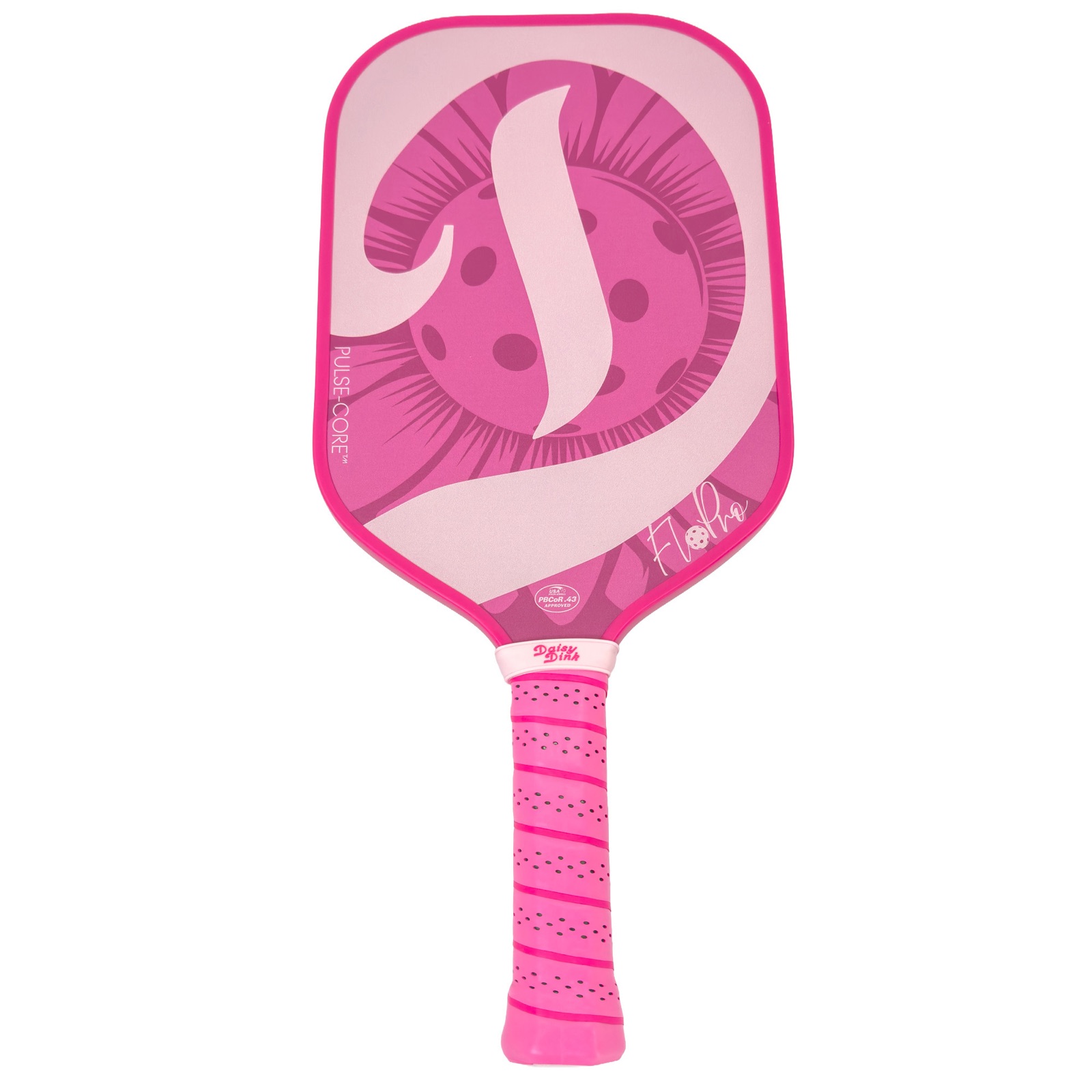
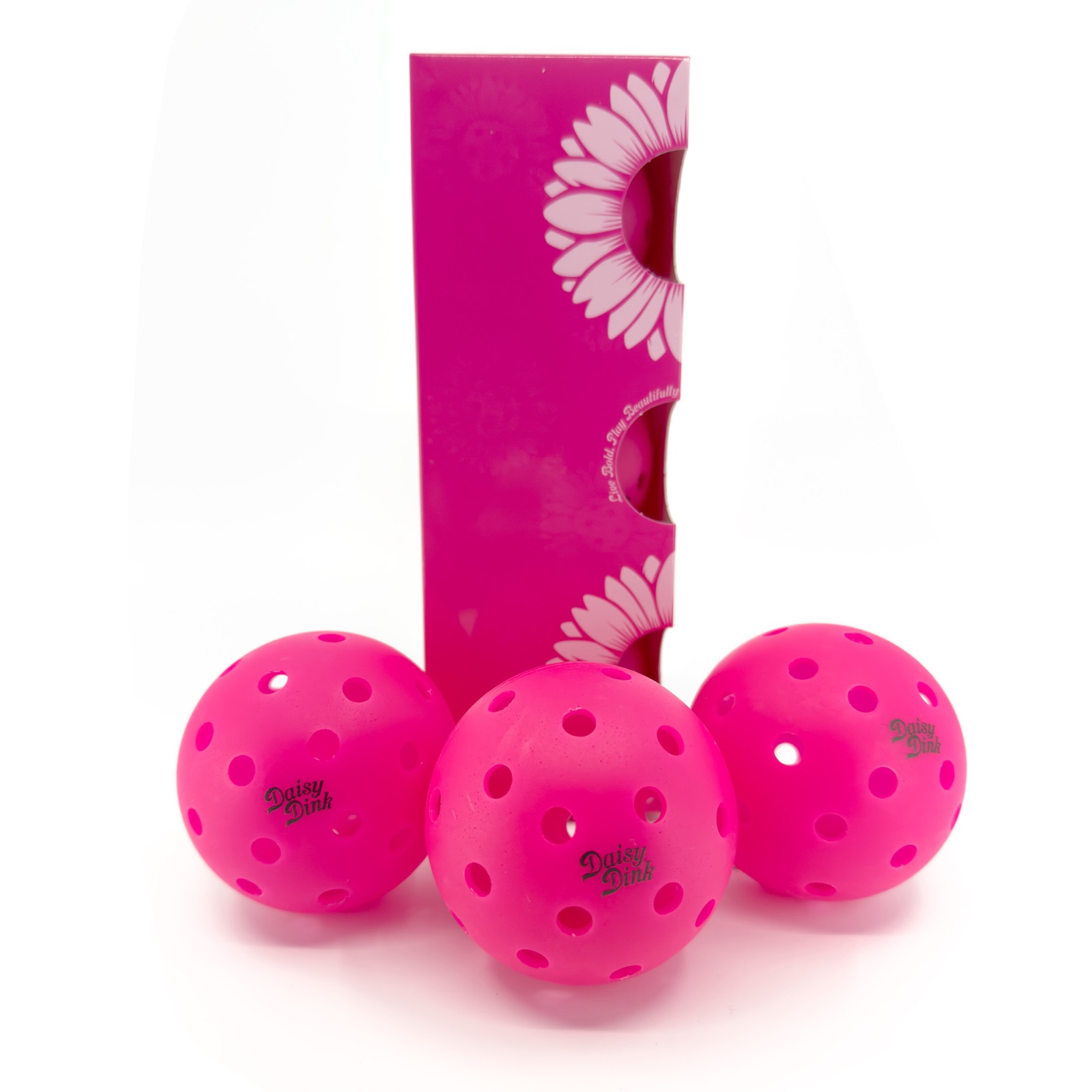
Women-owned, women-focused pickleball. We write about the gear, the game, and the culture. Live bold, play beautifully. 🌸
Keep reading


Join the conversation 🌸
Get The Daily Dink and weigh in every week.