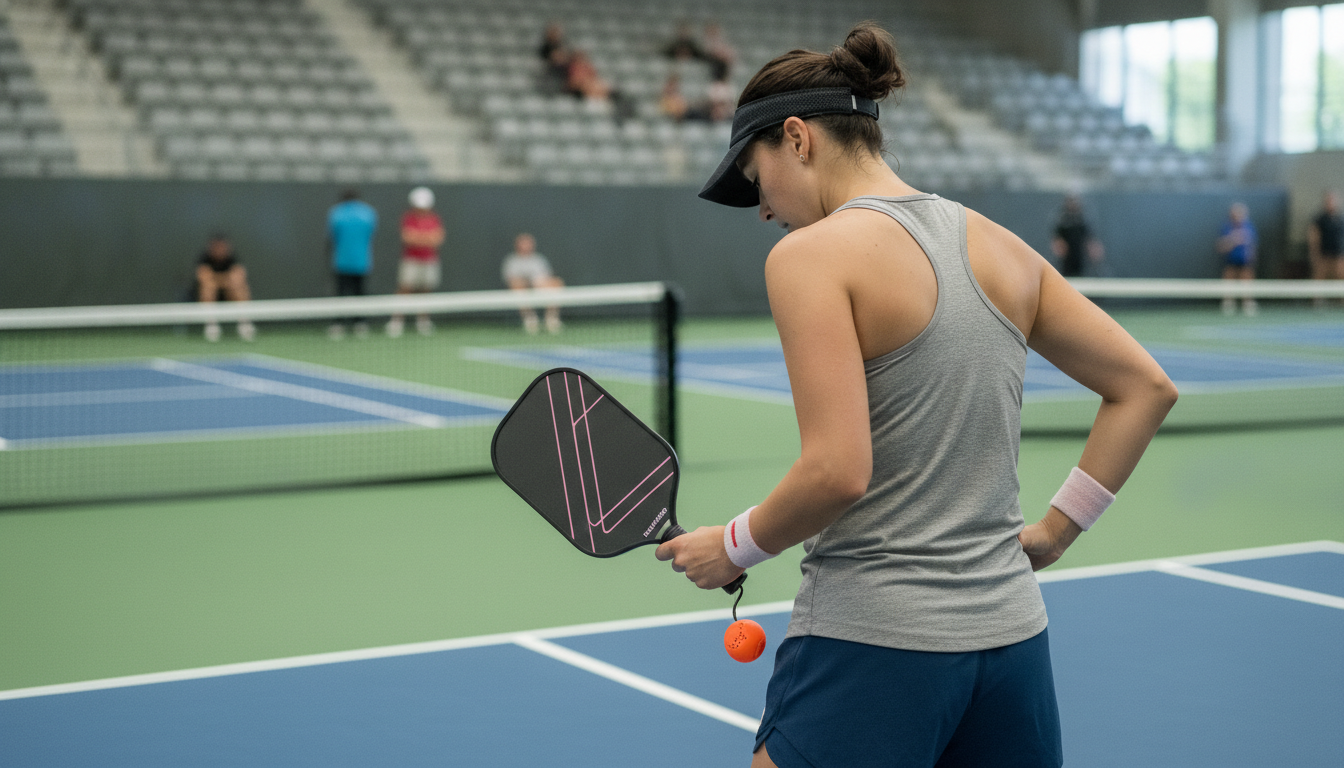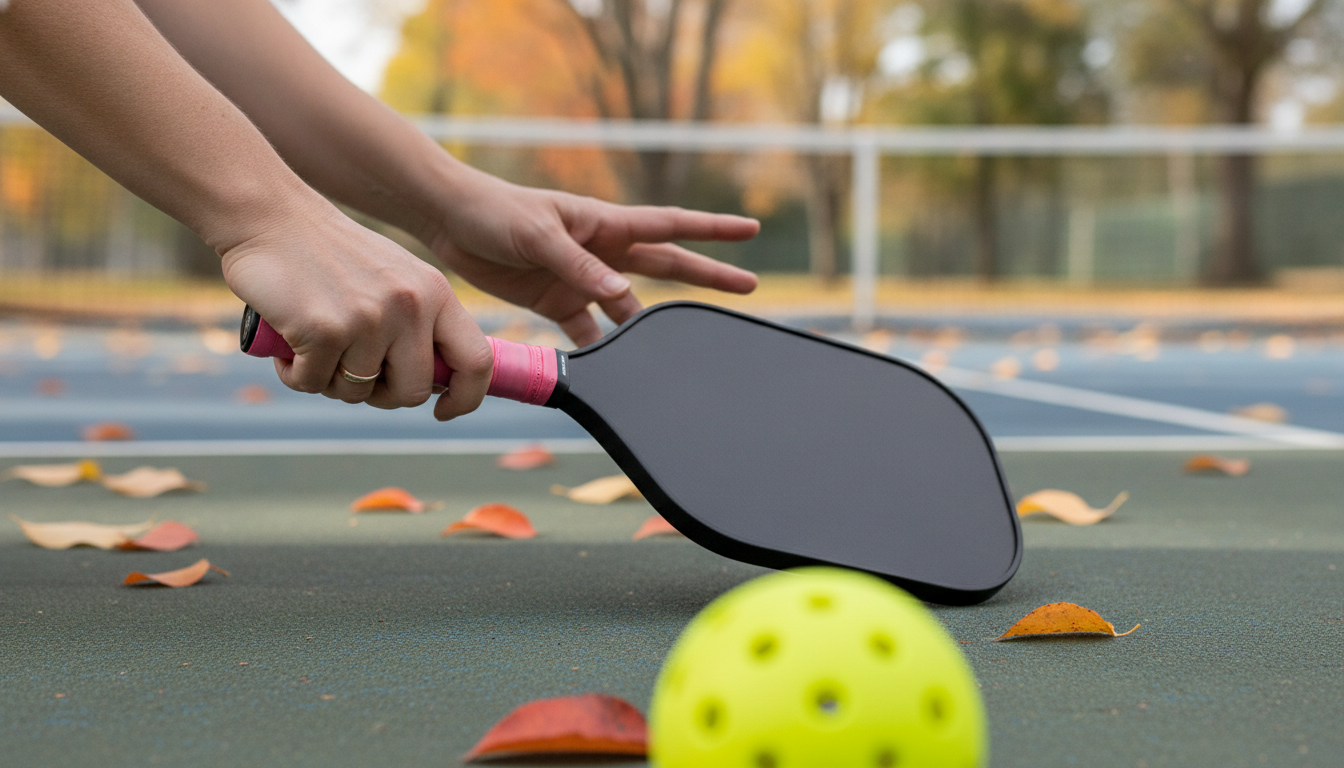
Hey there, pickleball pals! It's your favorite paddle provider, Daisy Dink, back with some juicy strategy to elevate your game. Forget brute force; we're talking about finesse, deception, and mastering the art of the 'shadow zone.' What is this mysterious 'shadow zone,' you ask? Well, buckle up, buttercup, because we're about to dive deep into the sneaky world of court blind spots and how you can use them to your advantage in 2026!
What Exactly IS the Pickleball Shadow Zone?
Think of the shadow zone as those areas on the court where your opponent has a harder time clearly seeing the ball's trajectory or your paddle's angle. It's not a physical zone painted on the court, but rather a strategic concept related to angles, positioning, and visual obstruction. Imagine casting a shadow – that's the effect we're aiming for, making it difficult for your rival to anticipate your next move.
Step 1: Understanding Court Geometry
Before you can exploit the shadow zone, you need to understand the court's geometry like the back of your hand. Know the angles, distances, and how your position affects your opponent's view. This isn't about math class flashbacks; it's about developing a keen sense of spatial awareness on the court.
Pro Tip: Practice dinking cross-court from different positions near the non-volley zone (NVZ). Notice how the angle changes and where your opponent's vision is most obstructed.
Step 2: Mastering Paddle Deception
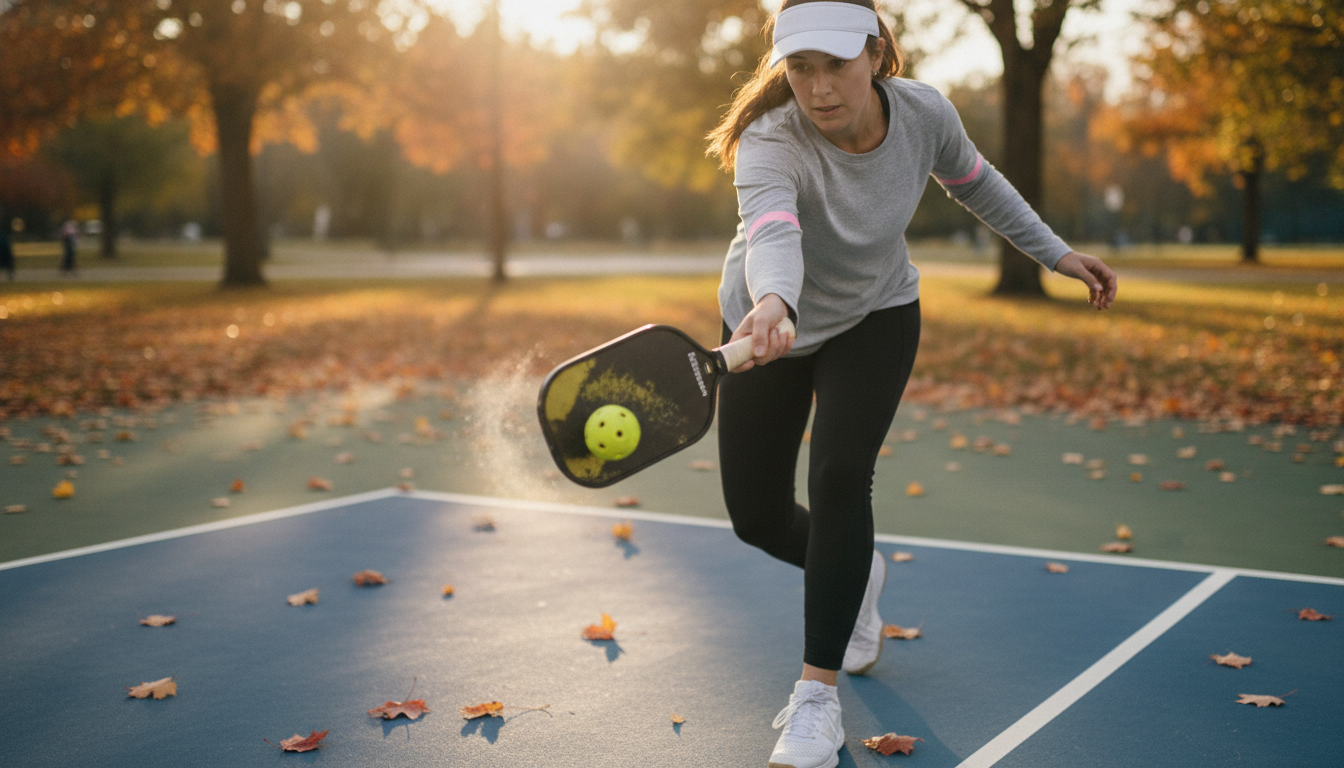
This is where the magic happens! Paddle deception is all about disguising your intentions. By subtly changing your paddle angle at the last moment, you can send the ball in a completely different direction than your opponent anticipates. This is especially effective when you're near the NVZ, where reaction times are lightning-fast.
Example: Let's say your opponent is anticipating a dink to their forehand. At the last second, slightly close your paddle face and redirect the ball sharply cross-court to their backhand. The element of surprise is key!
Step 3: Strategic Positioning
Where you stand on the court dramatically impacts your opponent's ability to read your shots. Try these positioning tactics:
- The Lean: Subtly lean your body in one direction to suggest you're going that way, then quickly redirect the ball the other way.
- The Fake Out: Start moving towards the kitchen as if you're going to hit a soft dink, then surprise them with a hard drive down the line.
- Obstruct Their View: Without violating any rules about hindering an opponent, use your body position to slightly obscure their view of the ball, especially during cross-court dinks.
Pro Tip: Watch professional pickleball players. Pay attention to their body language and how they use positioning to create deception. You can find tons of match footage online!
Step 4: Varying Your Shot Selection
Predictability is your enemy! If you always hit the same shot from the same position, your opponent will quickly adapt. Mix up your shot selection to keep them guessing.
Example: Alternate between soft dinks, hard drives, and drop shots. Use different spins to make the ball bounce unpredictably. Throw in the occasional lob to keep them honest.
Step 5: Reading Your Opponent
The shadow zone isn't just about your own actions; it's also about understanding your opponent's tendencies. Are they quick to react? Do they favor one side of the court? Do they telegraph their shots? The more you know about your opponent, the better you can exploit their weaknesses.
Actionable Insight: In a recent local tournament here in March 2026, I watched a player completely dominate by simply observing his opponent's footwork during the warm-up. He noticed the guy was slow moving to his left, and exploited that weakness mercilessly with sharp cross-court angles.
Step 6: Practice, Practice, Practice!
Mastering the shadow zone takes time and dedication. Don't expect to become a deception master overnight. Set aside time to specifically practice these techniques. Drill with a partner who can give you feedback on your paddle deception and positioning. Film yourself playing and analyze your own movements.
Step 7: Adapt to Different Court Conditions
Weather conditions can significantly impact visibility on the court, affecting the shadow zone. Bright sunlight can create harsh shadows, making it harder to track the ball. Overcast conditions can make it difficult to judge depth. Adjust your strategy accordingly. For example, on a sunny day, you might focus more on paddle deception, as your opponent's vision is already compromised.
Conclusion: Become a Pickleball Shadow Master!
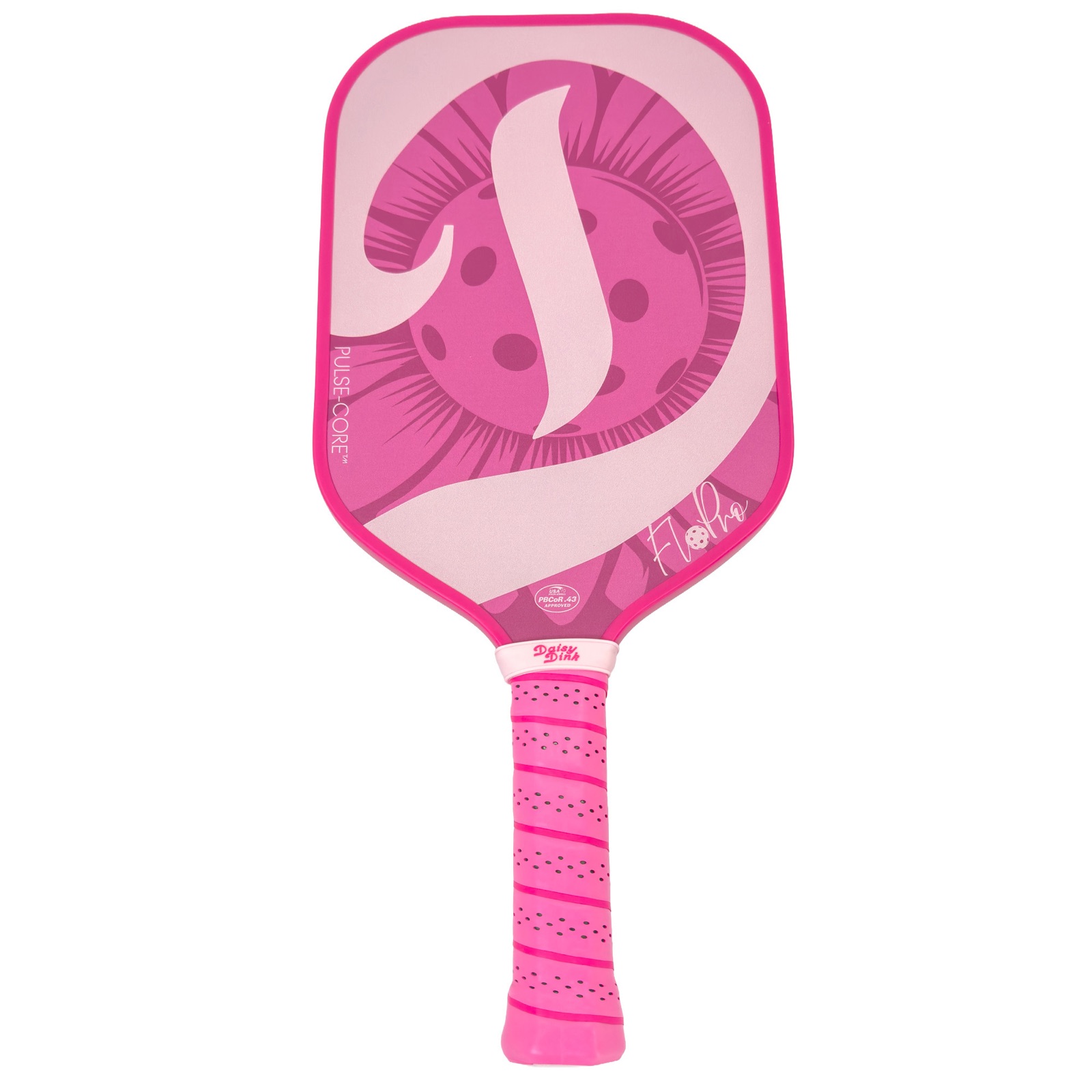
So, there you have it, folks! The pickleball shadow zone is a powerful tool that can give you a serious edge on the court. By understanding court geometry, mastering paddle deception, and strategically positioning yourself, you can become a true shadow master. Now get out there, practice these techniques, and start dominating your opponents with your newfound skills! And don't forget to grab your favorite Daisy Dink paddle for maximum deception and performance!