
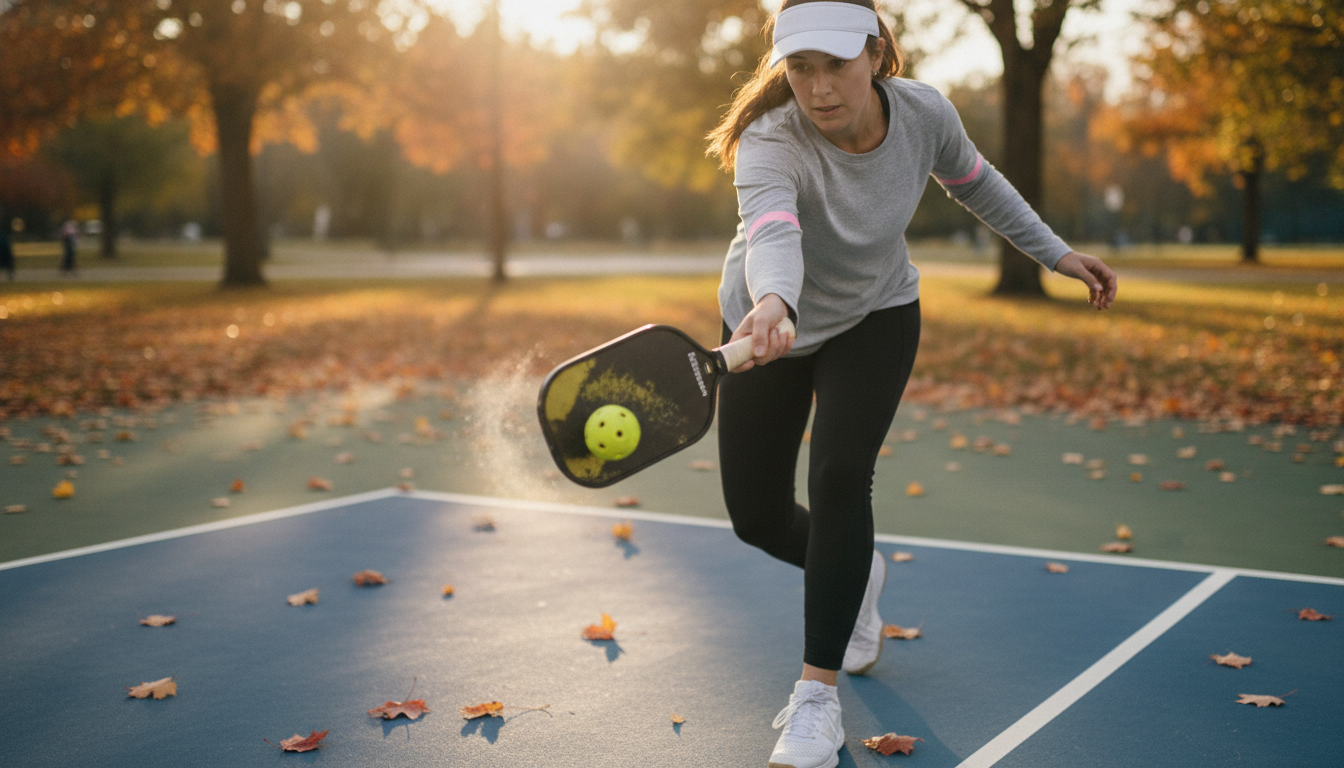
The Great Paddle Debate: Spin and Control
Hey there, fellow dinkers! Ever feel like you’re trying to choose between two equally amazing things, like extra sleep or an early morning pickleball session? That’s kind of what it’s like when you’re hunting for the perfect pickleball paddle, especially when you’re weighing the merits of spin versus control. It’s a classic pickleball paddle conundrum, and trust me, you’re not alone in wanting to have your cake and eat it too – or in this case, have both wicked spin and pinpoint control.
Understanding how to choose a paddle that truly complements your game means diving into the nitty-gritty of paddle construction. It’s not just about what feels good in your hand; it’s about what the paddle is designed to do. And often, achieving maximum spin comes with a slight give-and-take on the control front, and vice-versa. But don’t worry, we’re here to help you navigate this gear guide and read between the lines of a paddle’s spec sheet like a pro.
What Even IS Spin in Pickleball, Anyway?
When we talk about spin in pickleball, we’re generally referring to topspin or backspin (slice). Topspin makes the ball dip sharply after crossing the net, making it harder for your opponent to return, especially if they’re waiting for a flat shot. Backspin, or a slice, makes the ball float and then die, often causing it to skid or bounce unexpectedly low, which can really mess with an opponent's timing and footwork. A paddle’s ability to generate spin is primarily influenced by its surface material and texture.
Think of it like this: a rougher, grittier paddle face will grip the ball more effectively, allowing you to impart more rotation. Raw carbon fiber faces, for example, are highly sought after for their natural texture that creates excellent friction. This tactile interaction between the ball and the paddle surface is key to those fantastic spins that keep your opponents guessing, while also providing enhanced control and a larger sweet spot.
And Control? Why We Crave It!
Control, on the other hand, is all about precision and placement. It’s the ability to put the ball exactly where you want it, whether that’s a deep drive to the baseline, a gentle dink just over the net, or a perfectly angled volley. A paddle designed for control typically offers a larger sweet spot and a more consistent feel, allowing for predictable ball response even on off-center hits. This consistency builds confidence, letting you execute shots with greater accuracy.
Paddles with a focus on control often feature a thicker core, which helps to absorb impact and reduce vibration. This dampening effect gives you a softer touch and a better feel for the ball, which translates directly into more precise shot-making. Imagine trying to thread a needle – you want a steady hand and a clear view, right? That’s what a control-oriented paddle offers: stability and clarity in your shot execution.
The Tradeoff: Why You Can't Have 'It All' (Sort Of!)
Here’s the heart of the matter: maximizing spin and maximizing control often pull in slightly different directions. Paddles designed for extreme spin tend to have very textured surfaces and sometimes a slightly less forgiving feel, which can make consistent placement a bit more challenging until you master it. The rougher surface, while great for grip, can sometimes make the ball ‘jump’ a little more unpredictably if your contact isn’t perfect.
Conversely, paddles optimized for pure control might have a smoother face or a construction that prioritizes a consistent, soft touch. While these paddles make it easier to place the ball with precision, they might not offer the same bite on the ball needed to generate heavy topspin or slice. It's like choosing between a high-performance sports car (spin) and a luxury sedan (control) – both get you where you need to go, but in slightly different styles.
The sweet spot, then, is finding a paddle that offers a fantastic balance for YOUR game. It’s about understanding what you value most and what kind of shots you rely on.
Reading the Spec Sheet: Your Secret Weapon
Ready to decode those paddle descriptions? Here’s what to look for when you want to understand a paddle’s spin and control potential:
Core Thickness and Material
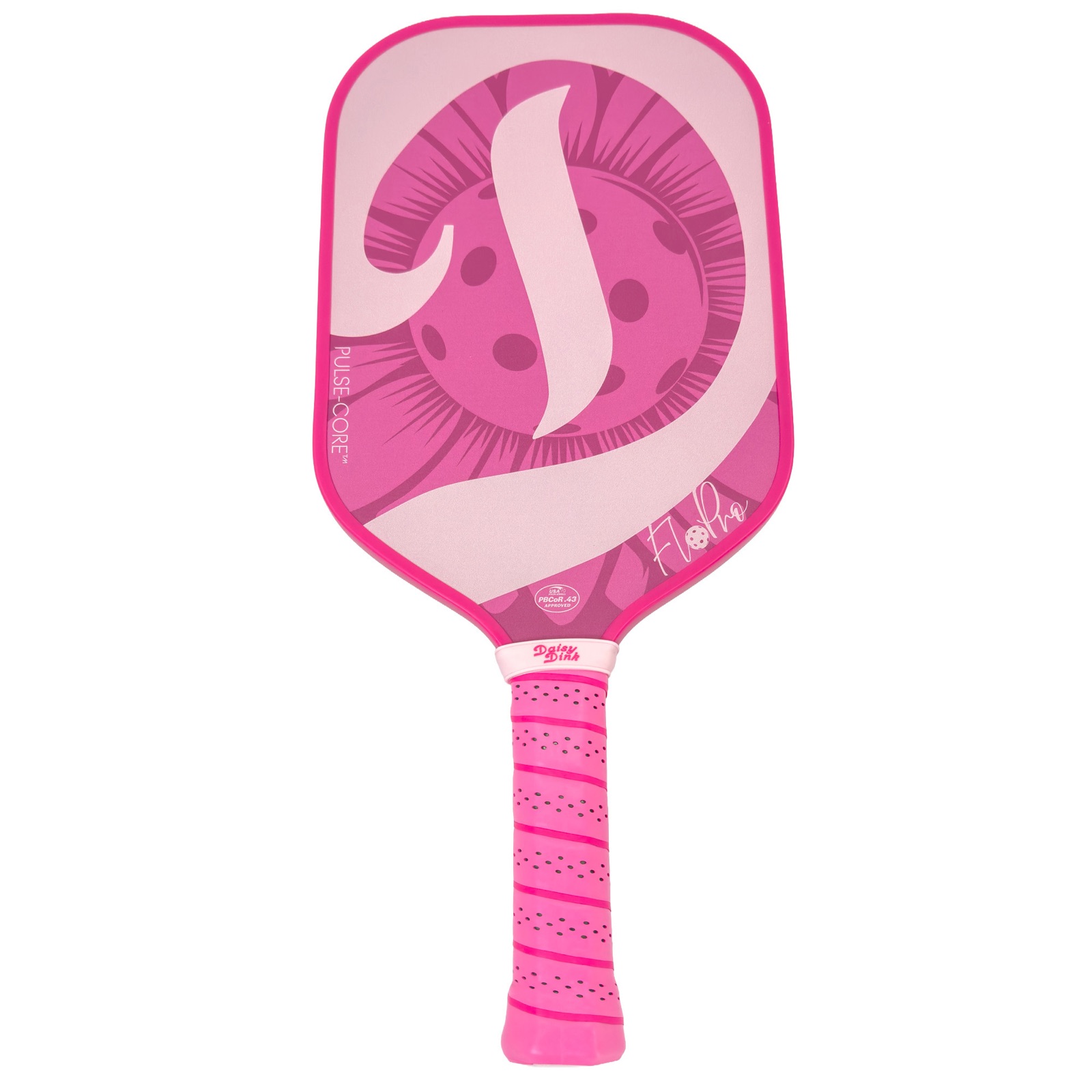
- Thicker Cores (16mm+): Cores of 16mm or more are generally associated with enhanced control and a softer feel. These paddles absorb more energy, reducing vibration and giving you a plush touch for dinks and drops. They often feature a honeycomb polymer core, which is excellent for dampening. The Daisy Dink FloPro Pulse-Core Pro Paddle, for instance, is designed with a pulse-core for a balanced feel. While often linked to control, some thicker cores can also provide power.
- Thinner Cores (12.7mm-14mm): Cores around 12.7mm typically offer more power and a crisper feel. As thickness increases towards 14mm, paddles can offer a good balance of power and control, or even be optimized for control, often with a larger sweet spot than very thin cores.
When you see mentions of a 'foam core' or 'edge foam', that's often a sign the paddle is working to expand the sweet spot and improve stability, which directly contributes to better control.
Surface Material and Texture
- Raw Carbon Fiber Face: This is highly sought after for spin! Raw carbon fiber naturally has a gritty, textured feel that grips the ball incredibly well. If a paddle boasts a raw carbon fiber face, you can expect excellent spin potential, along with enhanced control and a larger sweet spot.
- Other Composite Faces (e.g., Fiberglass, some Graphite): These surfaces can also generate good spin, especially if they have a textured or sanded finish, but generally less than raw carbon fiber. Fiberglass often provides a good balance of power and touch, while some graphite composites may offer similar benefits.
Look for terms like 'gritted surface', 'textured graphite', or 'raw carbon fiber' if spin is a priority. The Daisy Dink FloPro Pulse-Core Pro Paddle features a raw carbon fiber face, specifically chosen for its ability to enhance both spin and control.
Paddle Weight
- Lighter Paddles (under 8 oz): Easier to maneuver, which can help with quick hands at the net and rapid resets, contributing to a sense of control. However, they might lack the mass to drive through the ball for maximum spin or power.
- Heavier Paddles (8 oz+): Offer more stability, power, and often more spin potential due to increased paddle head speed and mass. The added weight can help you drive through the ball more effectively, generating more friction. However, they can be more tiring to swing over a long game.
Paddle weight is a personal preference, but understanding its impact on both power and control is crucial. For many players, a mid-weight paddle (around 7.8-8.2 oz) offers a fantastic blend.
Grip Size
While not directly about spin or control, your grip size significantly impacts how comfortable and confident you feel with your paddle, which in turn affects your ability to execute shots precisely. A grip that's too small might encourage over-squeezing, leading to arm fatigue, while one that's too large can make it hard to snap your wrist for spin. Always ensure your grip size is comfortable for optimal play!
Finding Your Perfect Match
So, how do you find your personal sweet spot between spin and control? It really comes down to your playing style and what you prioritize on the court. Do you love to dink and drop, placing the ball with surgical precision? Or do you thrive on aggressive serves and powerful drives that dip and curve? Most players will find themselves somewhere in the middle, looking for a paddle that offers a healthy dose of both.
Don't be afraid to try out different paddles at open play sessions. Many players are happy to let you borrow their paddle for a few points so you can get a feel for different constructions. Pay attention to how the ball comes off the face, how much control you feel you have, and how easy it is to generate topspin or backspin.
The Daisy Dink FloPro Pulse-Core Pro Paddle: A Balanced Approach
We designed the Daisy Dink FloPro Pulse-Core Pro Paddle with this very balance in mind. Its raw carbon fiber face is engineered to give you excellent spin potential, allowing you to put plenty of action on the ball for those tricky shots. At the same time, its pulse-core design aims to provide a consistent and controlled feel, ensuring that you can place your shots with accuracy. It’s our answer to the spin-versus-control dilemma, offering a versatile option for players who want to excel in both areas.
Conclusion: Your Paddle, Your Game
Choosing the right pickleball paddle is an exciting journey! By understanding the interplay between spin and control, and knowing how to read those spec sheets, you’re now equipped to make an informed decision that will elevate your game. Whether you lean more towards controlled dinks or aggressive spin shots, there's a paddle out there waiting to be your perfect partner on the court. Happy dinking, friends!
Ready to explore paddles or add some fun accessories to your gear? Check out our shop today!
Women-owned, women-focused pickleball. We write about the gear, the game, and the culture. Live bold, play beautifully. 🌸
Keep reading

Join the conversation 🌸
Get The Daily Dink and weigh in every week.