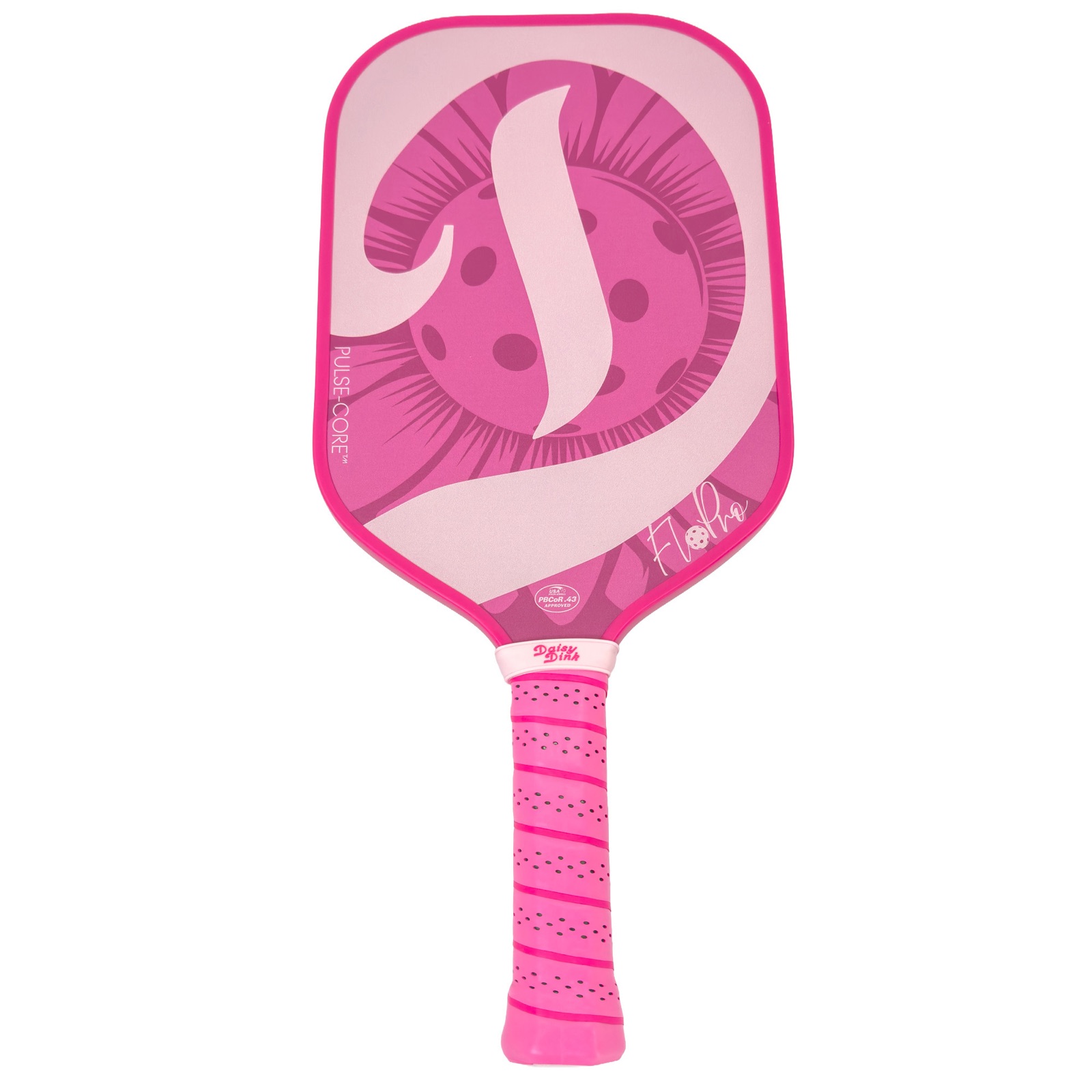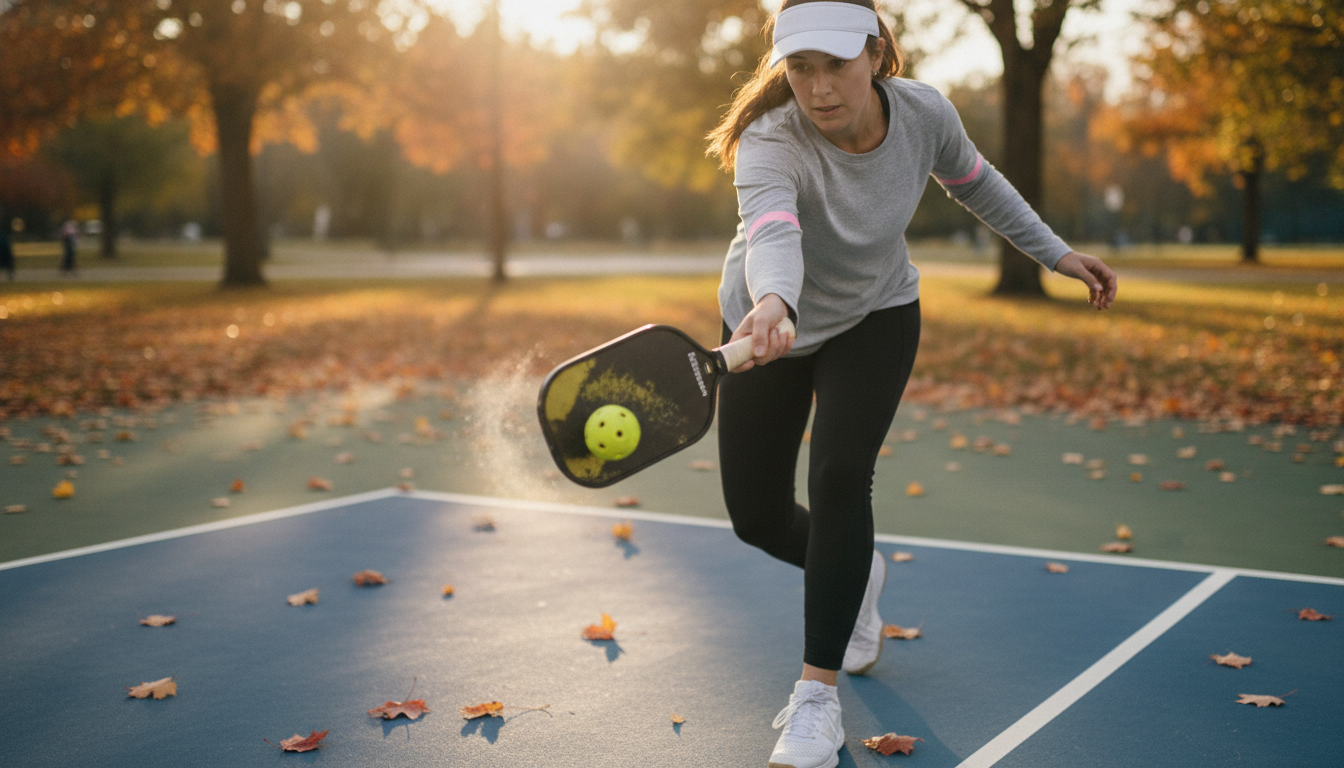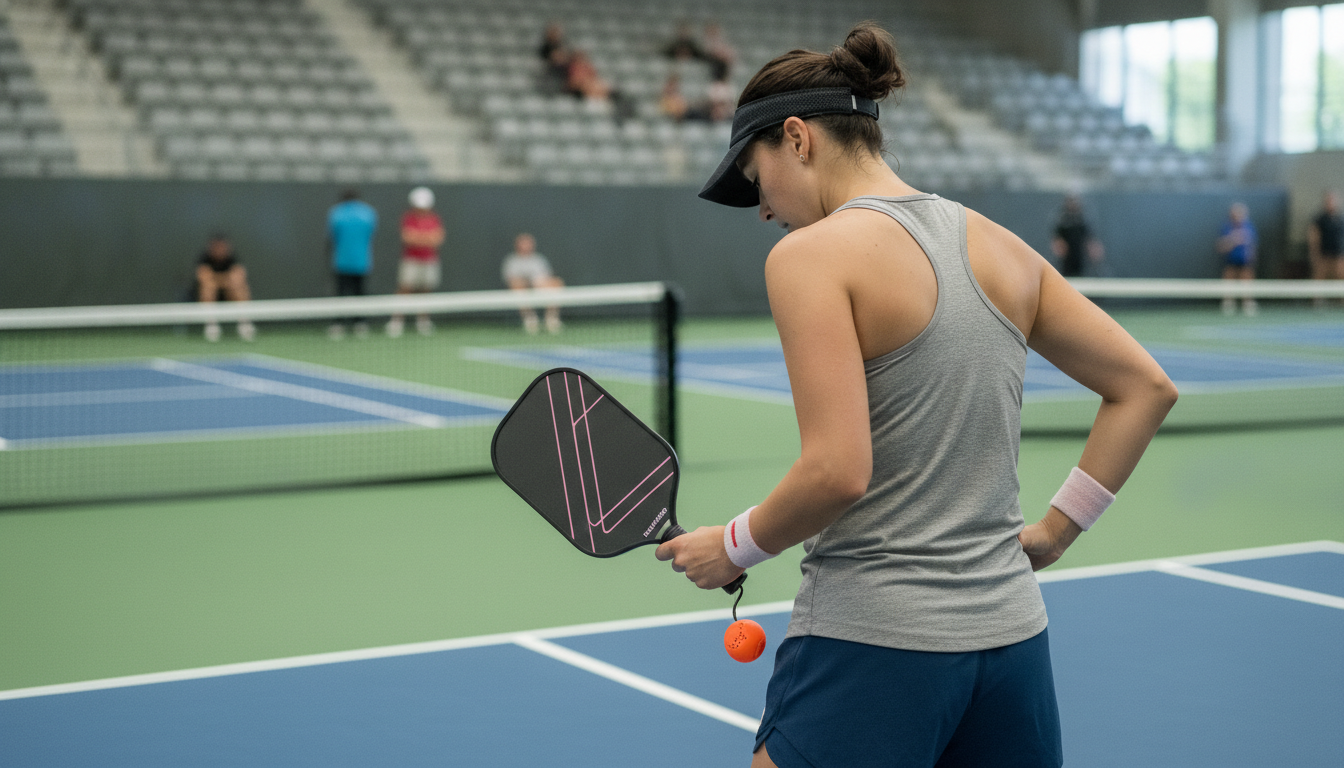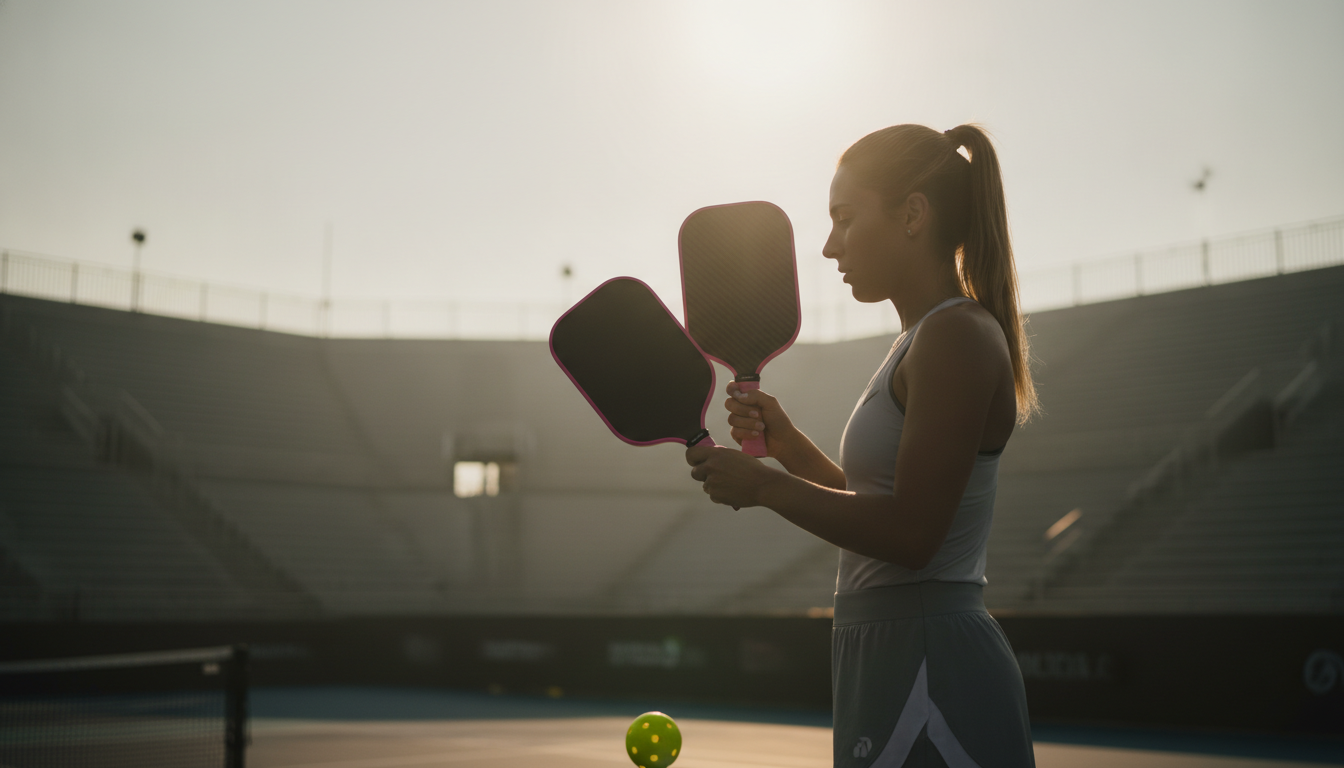
Hey there, fellow pickleball fanatics! It's your pal from Daisy Dink, here to dive deep into the wonderful world of pickleball paddles. Choosing the right paddle can feel like navigating a jungle, especially with all the fancy materials and techy terms floating around. But fear not! We're breaking it all down in plain English (with a dash of Daisy Dink pizzazz, of course!). Today, we're putting three major paddle materials head-to-head: graphite, carbon fiber, and the ever-intriguing hybrid surfaces. Get ready to level up your game with the ultimate 2026 paddle material guide!
1. Graphite Paddles: The Lightweight Contender
Graphite paddles have been a popular choice for pickleball players for ages, and for good reason! They're known for being lightweight, which gives you amazing control and maneuverability on the court. Graphite offers a comfortable feel and a nice 'pop' when you hit the ball, making it easier to dink and drive with precision. Plus, they're generally more budget-friendly than some of the other high-end materials out there.
Pros:
- Lightweight and easy to handle
- Excellent control and precision
- Good 'pop' for dinking and driving
- More affordable than carbon fiber
Cons:
- Can lack power compared to other materials
- May not be as durable as carbon fiber
Real-World Example: Imagine you're in a tight dinking battle at the non-volley zone. A graphite paddle allows you to react quickly and precisely place your shots, frustrating your opponents and setting up the perfect opportunity to attack.
Pro Tip: If you're a beginner or intermediate player who values control and finesse, a graphite paddle is an excellent choice. Look for models with a textured surface to add extra spin to your shots.
2. Carbon Fiber Paddles: The Powerhouse Performer
Carbon fiber paddles have taken the pickleball world by storm in recent years, and it's easy to see why. This material is incredibly strong and stiff, which translates to explosive power and incredible ball speed. Carbon fiber paddles also offer excellent durability, so they can withstand the rigors of intense gameplay. While they might be a bit pricier than graphite, the added performance can be well worth the investment for serious players.
Pros:
- Exceptional power and ball speed
- Excellent durability and longevity
- Great for aggressive players who like to drive the ball
Cons:
- Can be less forgiving than graphite
- May require more effort to control soft shots
- Generally more expensive
Real-World Example: Picture yourself crushing a forehand drive that your opponent barely has time to react to. That's the power of carbon fiber! It's perfect for putting away those high-bouncing balls and dominating the baseline.
Pro Tip: If you're an advanced player looking to add serious firepower to your game, a carbon fiber paddle is a must-try. Experiment with different weights and thicknesses to find the perfect balance of power and control for your playing style. Some carbon fiber paddles, especially those utilizing newer weaving techniques, offer enhanced control which makes them suitable for a wider range of players.
3. Hybrid Paddles: The Best of Both Worlds?
Can't decide between graphite and carbon fiber? No problem! Hybrid paddles combine the strengths of both materials to create a versatile and well-rounded option. These paddles often feature a graphite core for control and feel, combined with a carbon fiber face for added power and responsiveness. Hybrid paddles are a great choice for players who want a balance of performance characteristics.
Pros:
- Combines the benefits of graphite and carbon fiber
- Offers a balance of power, control, and feel
- Versatile for different playing styles
Cons:
- May not excel in any one area as much as dedicated graphite or carbon fiber paddles
- Can be more expensive than graphite paddles
Real-World Example: Imagine you're facing an opponent with a tricky serve. A hybrid paddle allows you to block the serve effectively with good control and then transition seamlessly into an aggressive counter-attack with plenty of power.
Pro Tip: If you're an all-around player who likes to mix up your game, a hybrid paddle is an excellent choice. Look for models with specific features that cater to your individual preferences, such as a thicker core for added control or a textured surface for enhanced spin.
4. The Surface Texture Revolution (2026 Update!)
Okay, pickleball players, listen up! It's 2026, and paddle surface texture is a BIG deal. Manufacturers are constantly innovating, creating surfaces that grip the ball like crazy and generate insane spin. We're talking about everything from gritty coatings to intricately etched patterns. These textures can dramatically increase your ability to slice, topspin, and control the ball's trajectory. Keep an eye out for paddles with advanced surface technology – it could be the secret weapon you need to dominate your local courts! Some players are even experimenting with adding their own custom textures, though this may not be allowed in official tournaments.
5. Core Considerations (Beyond the Surface!)
While the paddle face gets all the glory, don't forget about the core! The core material significantly impacts a paddle's feel, sound, and performance. Polypropylene (poly) cores are popular for their softness and quietness, while Nomex cores offer more power and a louder 'pop.' Some manufacturers are now experimenting with advanced core materials and construction techniques to optimize performance even further. Do your research and choose a core that complements your playing style.
6. Weighting In: Finding Your Perfect Balance
Paddle weight is another crucial factor to consider. Lighter paddles are easier to maneuver and offer more control, while heavier paddles provide more power and stability. Experiment with different weights to find the sweet spot that feels most comfortable and allows you to play your best game. Keep in mind that paddle weight can also affect your swing speed and reaction time, so it's important to find a balance that works for you. Many players are now using lead tape to customize the weight and balance of their paddles to perfectly match their preferences.
So, there you have it! A comprehensive guide to pickleball paddle materials in 2026. Whether you're a seasoned pro or just starting out, understanding the nuances of graphite, carbon fiber, and hybrid surfaces can help you choose the perfect paddle for your game. Now get out there, experiment, and find the paddle that helps you unleash your inner pickleball champion! And don't forget to check out Daisy Dink's awesome selection of paddles – we've got something for everyone!