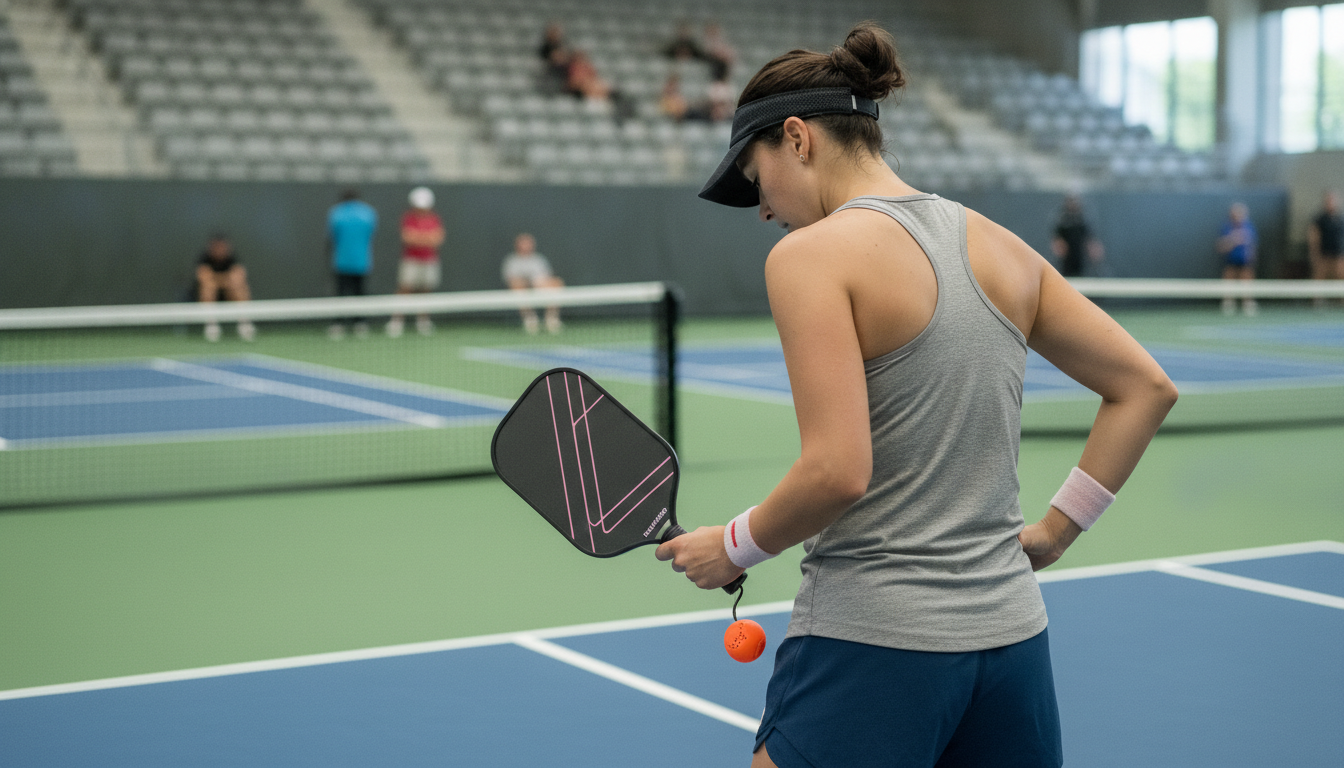
Hey there, fellow pickleball fanatics! It's your pal Daisy Dink here, ready to dish out some sizzling strategies to elevate your game. Today, we're diving deep into the art of the Kitchen Line Shuffle – a technique that's all about deception, dominance, and driving your opponents absolutely bonkers (in a friendly, pickleball-loving way, of course!). It’s February 2026, and if you're not shuffling, you're falling behind. Trust me, this is a game-changer.
What is the Kitchen Line Shuffle?
The Kitchen Line Shuffle, also known as the Non-Volley Zone (NVZ) Shuffle, is a strategic dance you perform along the kitchen line to create angles, fake out your opponents, and ultimately control the pace of the game. It's not just about standing still; it’s about dynamic movement and calculated footwork designed to keep your rivals guessing. Imagine it as a sneaky salsa for the pickleball court!
Why Master the Shuffle?
Why bother learning this fancy footwork? Because it gives you a massive advantage! Here's the dill:
- Deception: The shuffle makes it harder for your opponents to predict your next move. Will you volley? Will you let it bounce? The suspense is half the fun!
- Court Coverage: By moving laterally, you can cover more ground and react to shots that would otherwise be out of reach.
- Control: The shuffle allows you to dictate the tempo of the game, forcing your opponents to play on your terms.
- Better Angles: Gain better angles for dinks, volleys, and attacking shots.
Step-by-Step Guide to the Kitchen Line Shuffle
Alright, let's get down to the nitty-gritty. Here’s your step-by-step guide to mastering the Kitchen Line Shuffle:
Step 1: The Ready Position
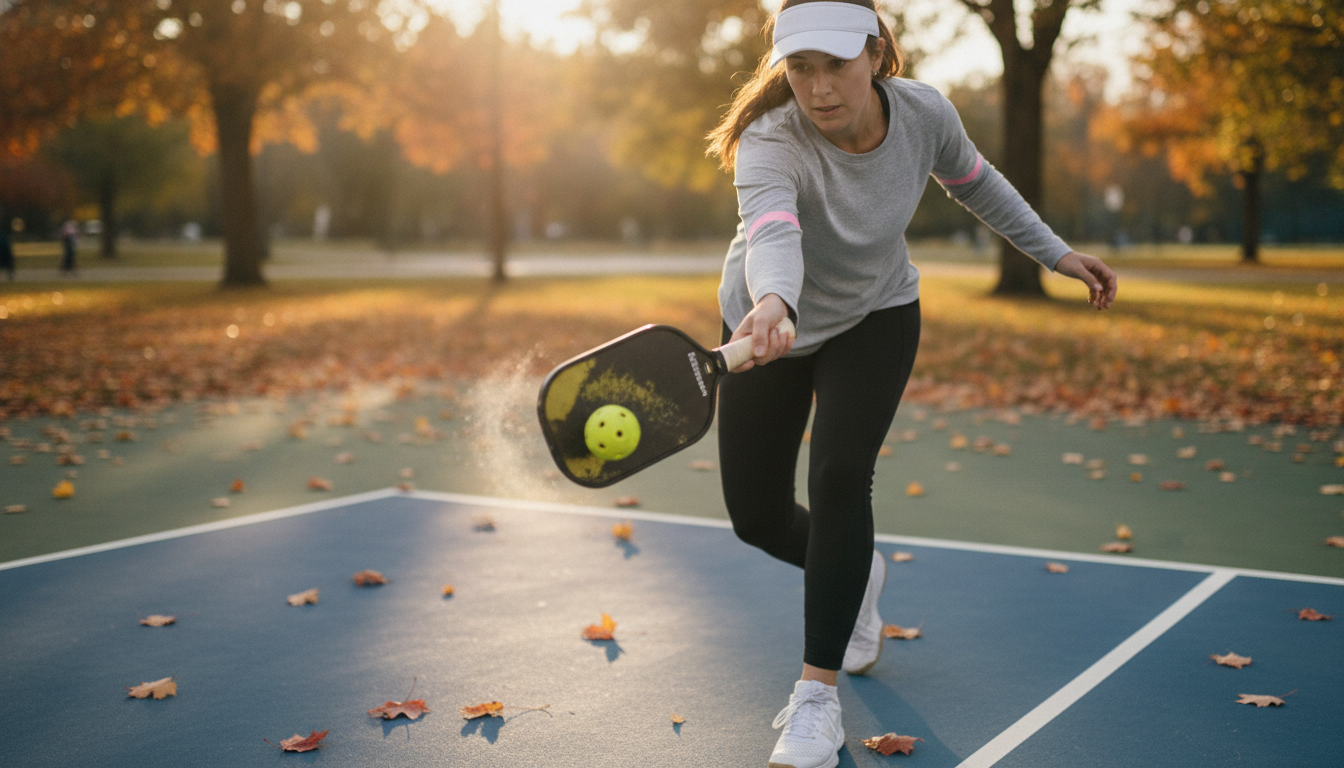
Start in a balanced, athletic stance, about an arm's length away from the kitchen line. Your weight should be slightly forward on the balls of your feet, knees bent, paddle up and ready. Think of a coiled spring, ready to pounce! This is your home base.
Pro Tip: Practice this ready position until it feels completely natural. It’s the foundation for everything else.
Step 2: The Shuffle Step
The shuffle step is a lateral movement, keeping your feet parallel to the kitchen line. Don't cross your feet! Instead, take small, quick steps to the left or right, maintaining your balance and ready position. Imagine gliding smoothly across the surface.
Real-World Example: Your opponent hits a cross-court dink. Instead of lunging, use the shuffle step to move laterally and position yourself perfectly to return the shot.
Step 3: The Paddle Fake
This is where the deception comes in! As you shuffle, use subtle paddle fakes to mislead your opponents. A slight twitch of the paddle can suggest you're about to volley, even if you plan to let the ball bounce. It’s all about the mind games!
Pro Tip: Watch professional pickleball players. Notice how they use subtle paddle movements to keep their opponents guessing. Mimic their techniques to add flair to your game.
Step 4: The Weight Shift
Shift your weight slightly in the direction you want your opponent to think you're going. This subtle movement can be enough to throw them off balance and create an opening for your attack.
Real-World Example: Shift your weight to your left as if you're going to attack a ball on that side. Then, quickly shift back to your right to cover a potential cross-court shot. This hesitation can make your opponent second guess their shot placement.
Step 5: The Recovery
After each shuffle and fake, quickly return to your ready position. This ensures you're balanced and prepared for the next shot. Think of it as resetting your stance after each dance move.
Advanced Shuffle Techniques
Once you've mastered the basics, it's time to spice things up with these advanced techniques:
The Hesitation Shuffle
Pause briefly during your shuffle to create even more uncertainty. This can be particularly effective when your opponent is approaching the net.
The Directional Shuffle
Shuffle aggressively in one direction to bait your opponent into hitting the ball there, then quickly change direction to cover the opposite side of the court.
The Silent Shuffle
Minimize your movements and keep your paddle still to lull your opponent into a false sense of security. Then, unleash a surprise attack when they least expect it.
Common Mistakes to Avoid
Here are a few pitfalls to watch out for when practicing the Kitchen Line Shuffle:
- Crossing Your Feet: This will throw you off balance and slow down your movement.
- Standing Too Close to the Kitchen Line: Give yourself enough room to react to short shots.
- Over-Shuffling: Too much movement can be just as bad as not enough. Find the right balance for your game.
- Forgetting to Reset: Always return to your ready position after each shuffle.
Putting It All Together
The Kitchen Line Shuffle is more than just a technique; it's a mindset. It's about being proactive, deceptive, and always one step ahead of your opponent. Practice these techniques regularly, and you'll be amazed at how much it improves your game. According to recent analyses of professional pickleball matches in early 2026, players who consistently utilize the kitchen line shuffle have a 15-20% higher win rate. This emphasizes the growing importance of mastering this skill in competitive play.
Pro Tip: Record yourself playing and analyze your footwork. Are you shuffling efficiently? Are your paddle fakes convincing? Use this feedback to refine your technique.
Conclusion
So, there you have it – the ultimate guide to mastering the Kitchen Line Shuffle! Now get out there, hit the courts, and start shuffling your way to victory. Remember, pickleball is all about having fun, so don't be afraid to experiment and find what works best for you. And if you see me out there, be sure to say hi! Until next time, keep dinking and keep smiling!