[AUDIO PLAYER HERE]
Hey there, fellow pickleball fanatics! It's your pal from Daisy Dink, here to arm you with the knowledge you need to become a true Kitchen Commando in 2026! We're diving deep into the Non-Volley Zone (NVZ), affectionately known as the 'kitchen,' and turning you into a master of this crucial area of the court. Forget just standing there; we're talking strategy, technique, and taking control!
Step 1: Understanding the NVZ Rules
First things first, let's make sure we're all on the same page. The NVZ extends 7 feet from the net on both sides. The golden rule? You can't volley a ball while standing in the NVZ. Volleying means hitting the ball out of the air before it bounces. If you do, it's a fault! However, you can be in the NVZ to hit a ball that has already bounced.
Pro Tip: Pay close attention to your feet! Even if you step into the NVZ after volleying the ball, it's still a fault. Footwork is key!
Step 2: Mastering the Dink Shot
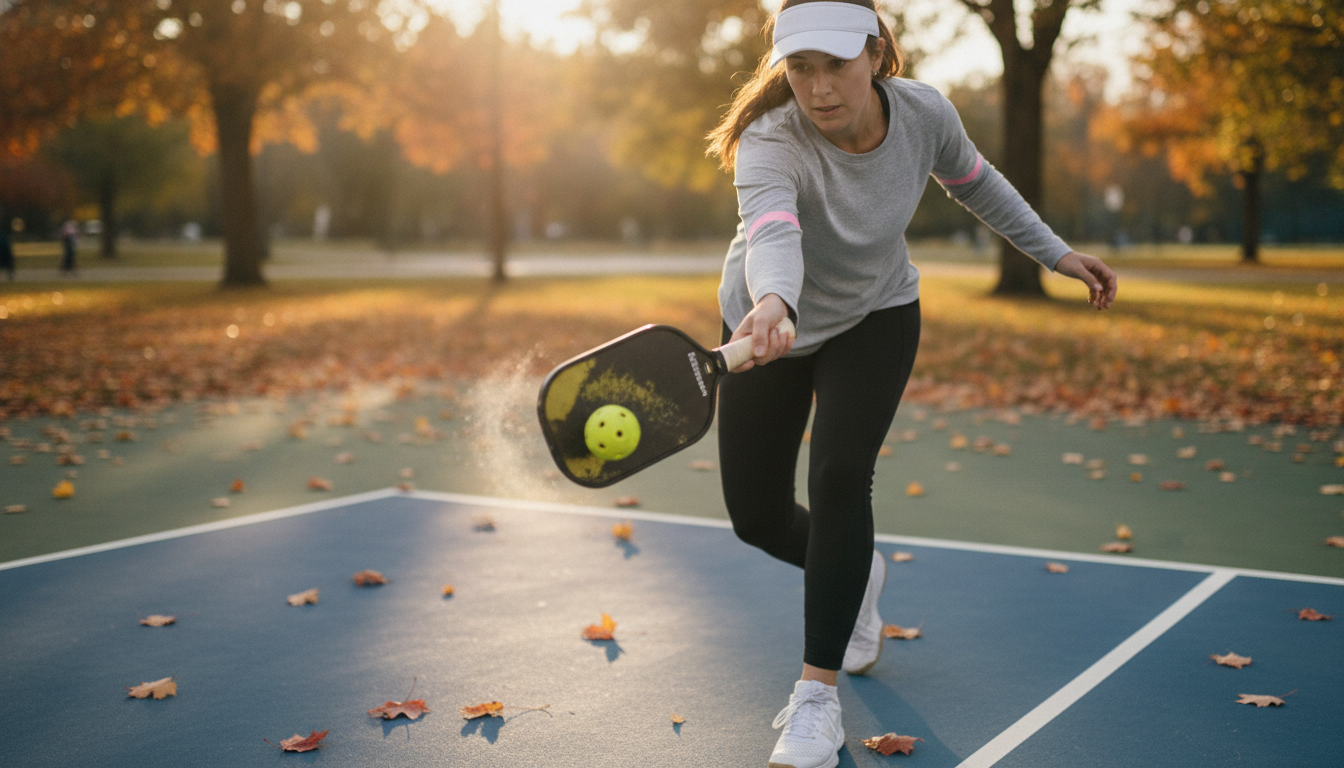
The dink is your bread and butter in the kitchen. It's a soft shot that lands just over the net and within the NVZ. The goal? To force your opponents to come to the net and hit an upward shot, which is much harder to control. Think soft hands and controlled paddle movement.
Example: Imagine your opponent is glued to the baseline. A perfect dink will pull them forward, forcing them to react quickly and often leading to an error or a pop-up you can attack.
Pro Tip: Practice your dinks! Aim for consistency in height and placement. The more consistent you are, the more pressure you put on your opponents.
Step 3: The Art of the Drop Shot
Similar to the dink, the drop shot is designed to land softly in the NVZ. However, the drop shot is typically hit from further back in the court, often near the transition zone. It’s a great way to change the pace and disrupt your opponent’s rhythm.
Example: You're in a fast-paced rally at the baseline. Surprise your opponents with a well-placed drop shot that dies just over the net. This forces them to rush forward and often results in a weak return.
Pro Tip: Disguise your drop shots! Use the same motion you would for a drive to keep your opponents guessing.
Step 4: NVZ Footwork and Positioning
Once you're at the NVZ line, your footwork is crucial. Stay light on your feet and be ready to move laterally. Avoid crossing your feet, which can slow you down. Maintain a balanced stance, ready to react to any shot.
Example: Your opponent hits a wide dink. Instead of reaching with your paddle, shuffle your feet to maintain a solid base and hit the ball in front of you.
Pro Tip: Practice your shuffle step! Quick, small steps will allow you to cover more ground efficiently.
Step 5: The Block Volley
While you can't volley in the NVZ, you can certainly block volleys at the NVZ line. This is a defensive technique used to neutralize aggressive shots from your opponents. Keep your paddle out in front of you with a firm grip and absorb the pace of the ball.
Example: Your opponent rips a hard shot at you while you're standing at the NVZ line. Instead of swinging, simply block the ball back, aiming for a neutral position in the court.
Pro Tip: Don't try to do too much with your block volleys. The goal is to neutralize the shot, not to win the point outright.
Step 6: Attacking Opportunities in the Kitchen
The kitchen isn't just about dinking and blocking. When you get a high ball that you can attack, don't hesitate! Put the ball away with a put-away volley or a hard drive. Be mindful of your positioning and make sure you're not stepping into the NVZ while volleying.
Example: Your opponent pops up a dink. Pounce on the opportunity and smash the ball deep into the court, aiming for their weaker side.
Pro Tip: Be patient! Don't force the attack. Wait for the right opportunity and make sure you have a clear shot.
Step 7: Communication is Key
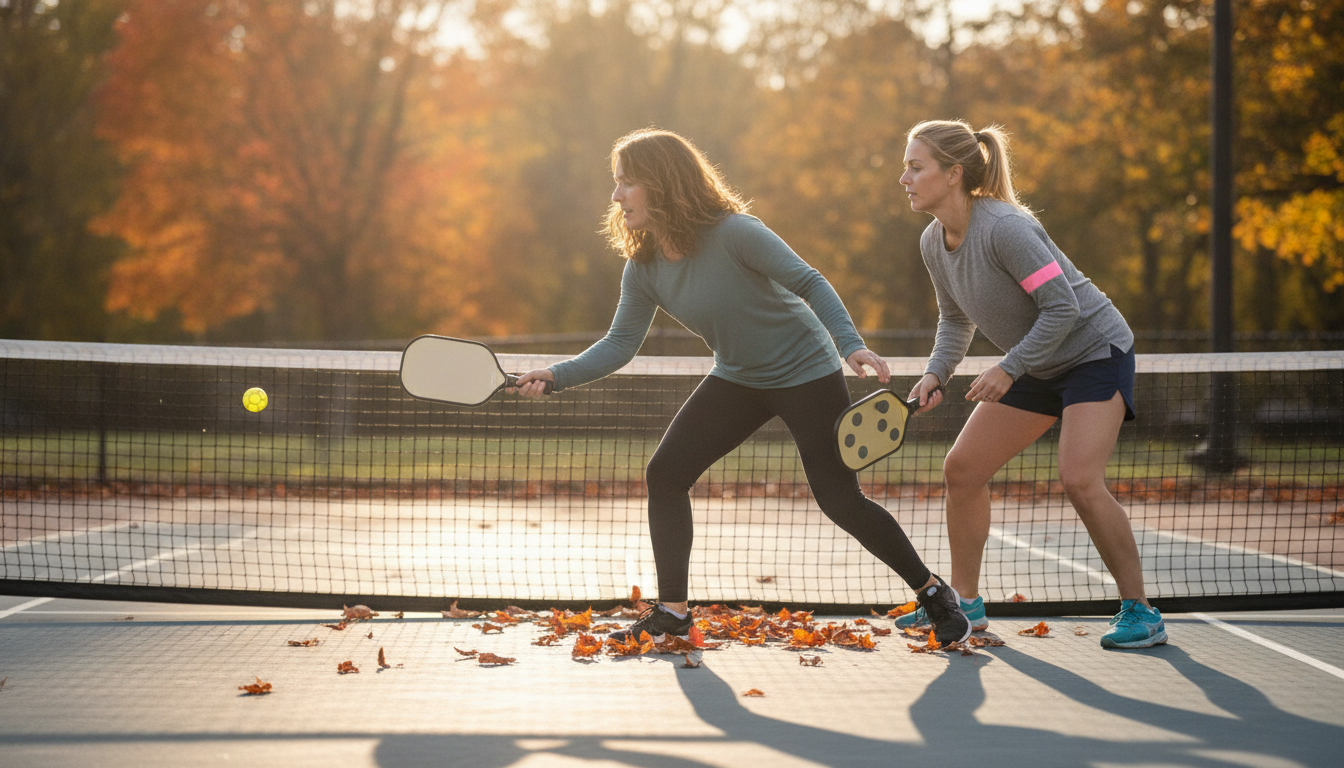
If you're playing doubles, communication with your partner is essential. Call out shots, let them know where you're moving, and coordinate your positioning at the NVZ line. A well-coordinated team can dominate the kitchen.
Example: You and your partner are both at the NVZ line. Call out "I got it!" to avoid colliding when a dink comes your way.
Pro Tip: Develop a simple communication system with your partner. Use clear and concise calls to avoid confusion.
Step 8: Mental Toughness
The kitchen can be a pressure cooker. Stay calm, focused, and confident. Don't get discouraged by errors. Learn from your mistakes and keep grinding. Remember, even the best players make mistakes. It's how you respond that matters.
Example: You miss a crucial dink at the NVZ line. Shake it off, refocus, and get ready for the next point. Don't let one error derail your entire game.
Pro Tip: Visualize success! Imagine yourself making perfect dinks, blocking tough shots, and dominating the kitchen. A positive mindset can make a huge difference.
Conclusion
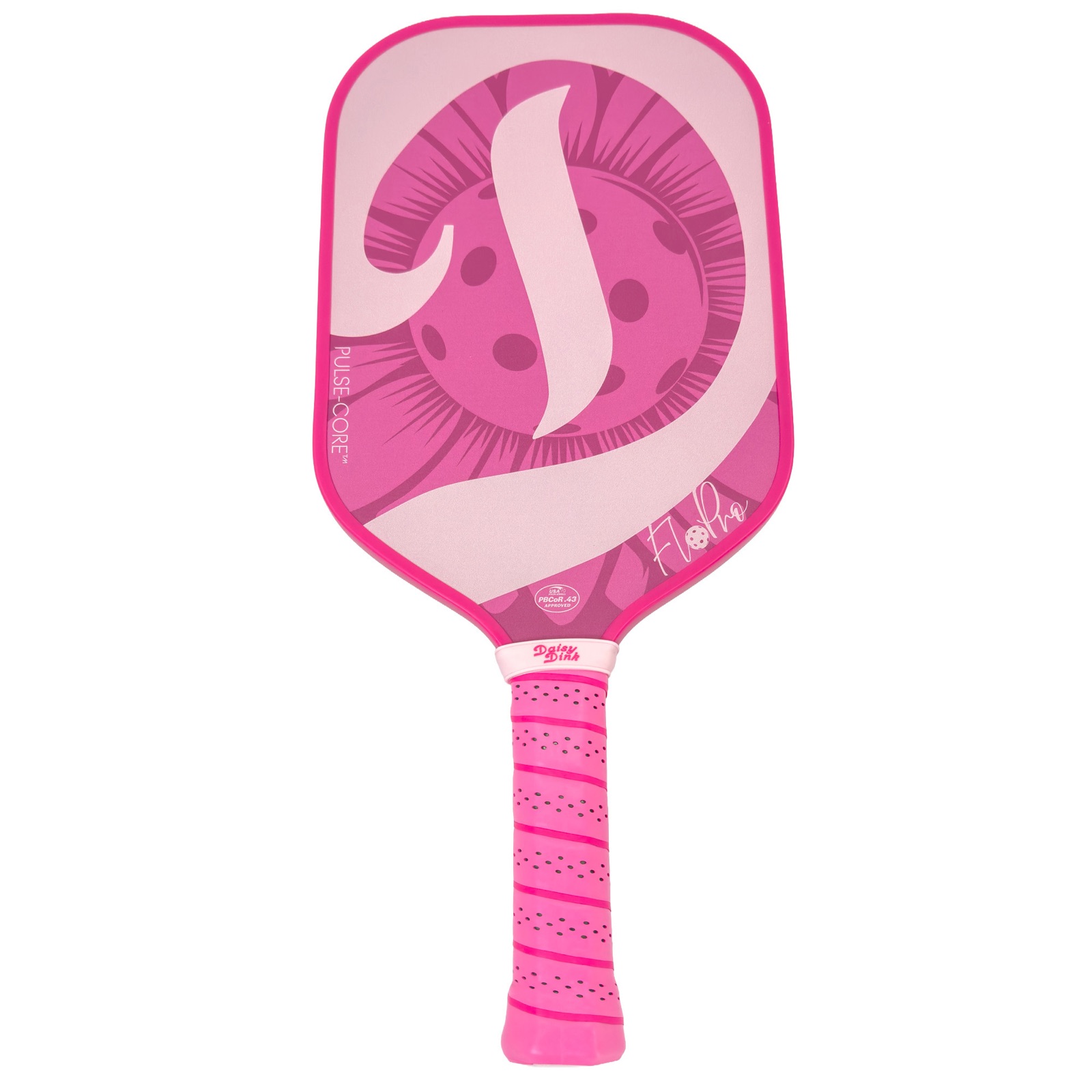
So there you have it! Your guide to becoming a Kitchen Commando in 2026. Mastering the NVZ takes time and practice, but with these tips, you'll be well on your way to dominating the pickleball court. Now get out there, practice your dinks, sharpen your footwork, and show those opponents who's boss! And don't forget to grab your favorite Daisy Dink paddle for that extra edge. Happy pickling!