
Decoding Your Paddle's Face: Carbon Fiber vs. Graphite
Ever wondered what’s really going on with your pickleball paddle’s surface? It's not just for looks! The material of your paddle's face, whether it’s carbon fiber or graphite, plays a huge role in how the ball reacts off your paddle and, ultimately, how you play. Choosing how to choose a paddle can feel overwhelming, but understanding these key differences is a fantastic place to start. Let's break down the main characteristics of these two popular paddle face materials so you can find your perfect paddle match!
The Power of Graphite Pickleball Paddle Faces
Graphite has been a long-standing favorite in the pickleball world, and for good reason! It's known for being lightweight yet incredibly stiff, offering a fantastic balance for many players. When we talk about a graphite paddle face, we're generally referring to a thin layer of graphite applied to the paddle's core. This construction has some distinct advantages:
- Lightweight Feel: Graphite is naturally light, which translates to paddles that are often easier to maneuver. This can be great for quick volleys at the net and rapid hand exchanges.
- Responsiveness and Touch: Players often describe graphite paddles as having a very responsive feel. This can translate to excellent touch on dinks and drops, allowing for precise placement.
- Pop and Power (Controlled): While not as raw powerful as some carbon fiber options, graphite still provides a satisfying pop on the ball, especially for players who generate their own power with a good swing. It offers a more controlled kind of power.
- Durability: Graphite is a robust material, and paddles with graphite faces tend to hold up well to regular play.
However, every material has its tradeoffs. Graphite paddles, while offering good control, generally generate less spin than raw carbon fiber surfaces. Also, while stiff, they might feel a little less 'cushioned' on impact compared to some advanced carbon options, which could be a factor for players sensitive to vibration.
Unleashing Spin and Control with Carbon Fiber Paddle Faces
Carbon fiber has taken the pickleball world by storm, and for good reason! This material, often seen in a 'raw carbon' or 'textured carbon' finish, offers a different set of advantages, primarily focusing on spin and control. When you hear about a carbon fiber face, it typically implies a woven carbon fiber material that provides a gritty, textured surface.
- Unmatched Spin: This is arguably the biggest selling point of raw carbon fiber faces. The natural texture of the carbon weave grabs the pickleball, allowing players to impart significant top spin, slice, and side spin. This can make your shots incredibly tricky for opponents to return!
- Enhanced Control and Feel: Beyond spin, many players find carbon fiber paddles offer exceptional control. The slightly softer feel upon impact can give you more dwell time on the ball, allowing for more precise placement and a better sense of where the ball is going. This contributes to better overall control.
- Power Potential: While often lauded for control, carbon fiber paddles can also generate impressive power. The material’s stiffness, combined with the right core thickness and paddle weight, means you can still drive the ball with authority when needed.
- Durability and Longevity: Carbon fiber is incredibly strong and resistant to wear, making these paddles very durable. The textured surface tends to maintain its grit over time, which is crucial for consistent spin.
What are the potential downsides? Sometimes, carbon fiber paddles can be a bit pricier due to the manufacturing process. Also, for players who prefer a very 'direct' feel, the slightly softer impact might take a little getting used to compared to the crispness of graphite.
Beyond the Face: Other Paddle Factors to Consider
While the paddle face material is a huge part of the equation, it's not the only thing that impacts your game. When you're trying to find your perfect paddle, also think about these factors:
- Core Thickness: This refers to the depth of the honeycomb core inside the paddle. Thicker cores (like 16 mm or more) generally offer more control, a softer feel, and more power absorption. Thinner cores provide more pop and responsiveness.
- Paddle Weight: Paddle weight significantly impacts swing speed, power, and maneuverability. Lighter paddles (typically 6.8-7.5 oz) are great for quick hands, medium-weight paddles (7.5-8.5 oz) offer a good balance, while heavier paddles (8.5 oz+) offer more power and stability.
- Grip Size: The right grip size is crucial for comfort, control, and preventing injury. You want a grip that allows you to hold the paddle firmly without squeezing too hard or having your fingers overlap too much.
- Shape and Edge Guard: Different paddle shapes can affect the sweet spot and aerodynamics. An edge guard protects your paddle, but can also add a little weight. USA Pickleball also approves edge guard tape replacements and weighted tape as paddle alterations.
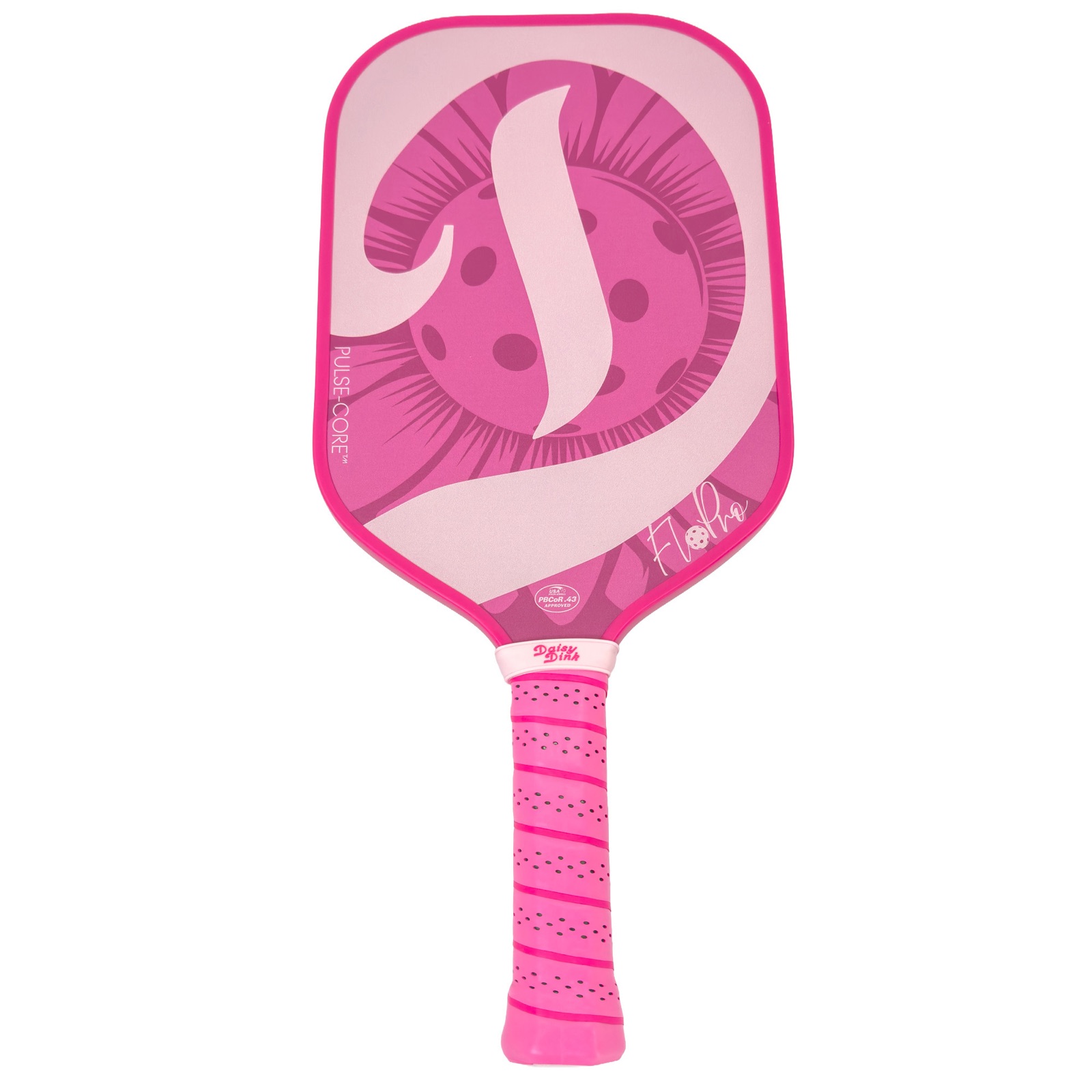
For example, our Daisy Dink FloPro Pulse-Core Pro Paddle is designed with a specific core and face combination to provide a balanced play experience, but it’s always about what feels right for you!
Which One Is Right for You?
So, carbon fiber vs. graphite pickleball paddle faces – which one should you choose? It really comes down to your playing style and what you prioritize on the court.
- Choose Graphite if: You value a lightweight, responsive paddle with good touch and controlled power. You might be a newer player or someone who plays a lot at the net and relies on quick hands.
- Choose Carbon Fiber if: You're looking to maximize spin, crave exceptional control, and appreciate a slightly softer, more forgiving feel on impact. You're likely an intermediate to advanced player who uses spin as a weapon.
The best way to truly decide is to try them out! Head to open play and ask to borrow a few different types of paddles. Feel the difference a raw carbon face makes, or the classic feel of a graphite surface. Many players even own both types and switch depending on their mood or opponent!
Ready to Dink and Conquer?
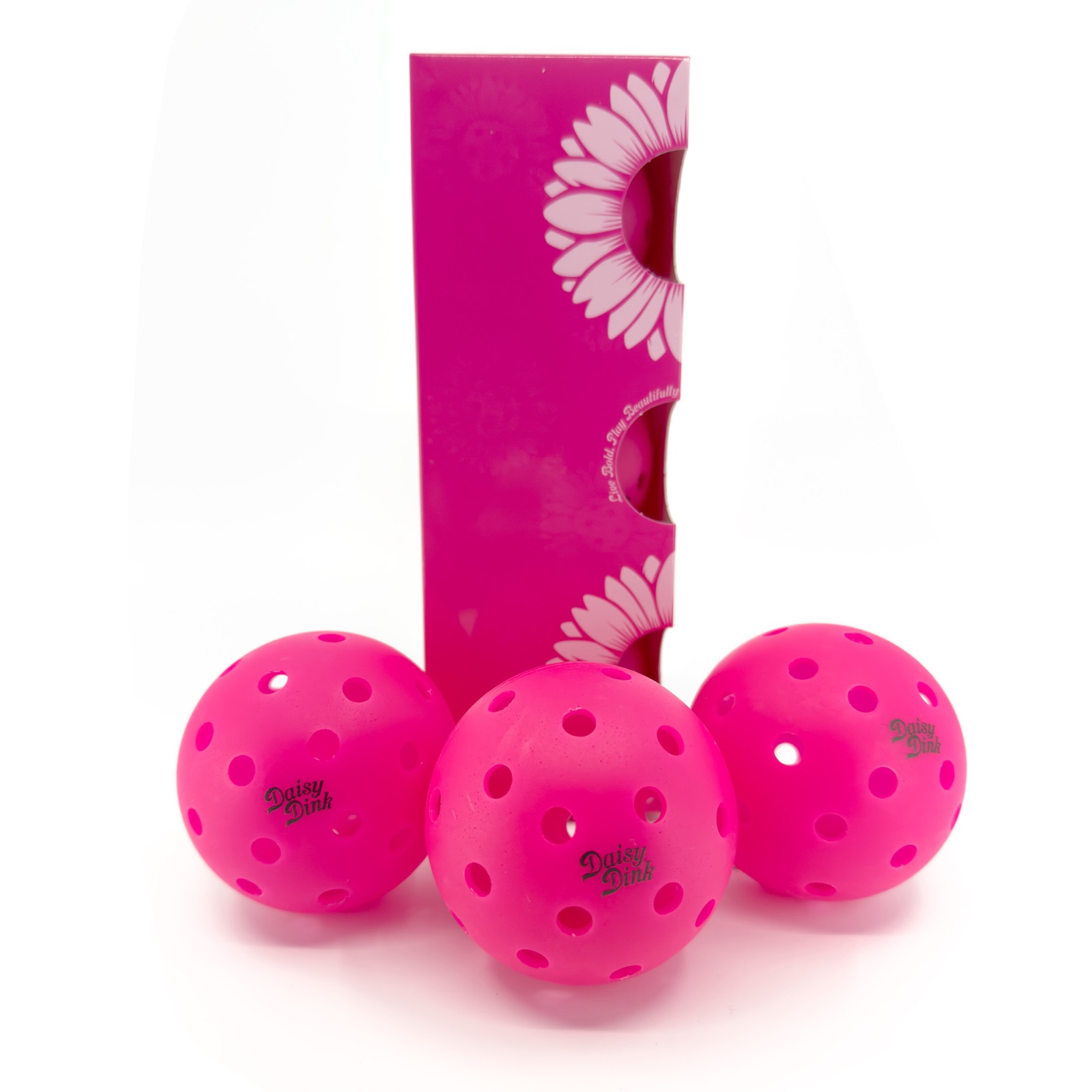
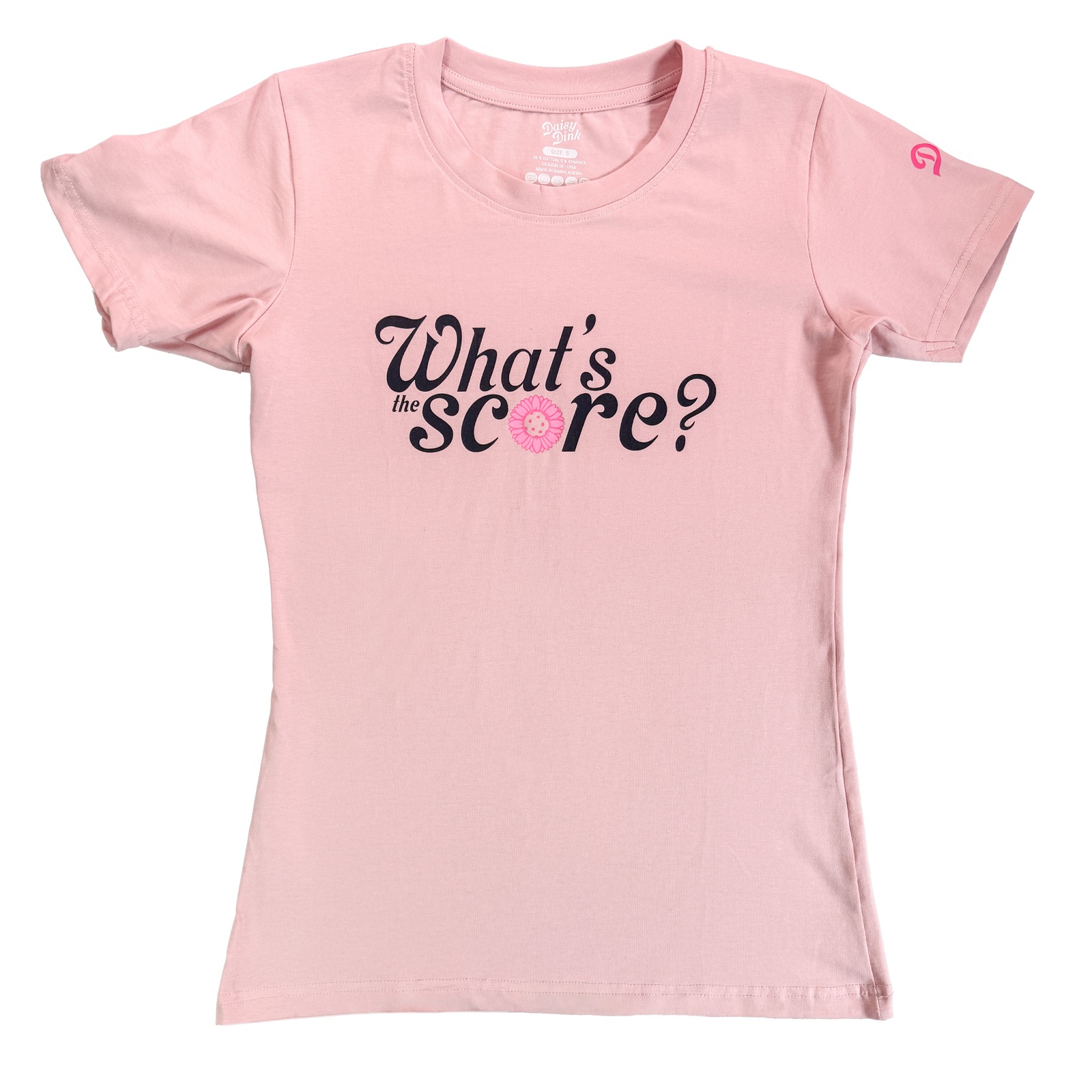
Understanding your gear is a big step toward elevating your game. Whether you lean towards the classic feel of graphite or the spin-friendly nature of carbon fiber, the perfect paddle is out there waiting for you. Don't forget to check out our Daisy Dink shop for awesome pickleball essentials like our Daisy Dink Indoor/Outdoor Pink Pickleballs or the Daisy Dink “What's the Score” Pickleball T-Shirt to show off your love for the game!
Women-owned, women-focused pickleball. We write about the gear, the game, and the culture. Live bold, play beautifully. 🌸
Keep reading

Join the conversation 🌸
Get The Daily Dink and weigh in every week.