
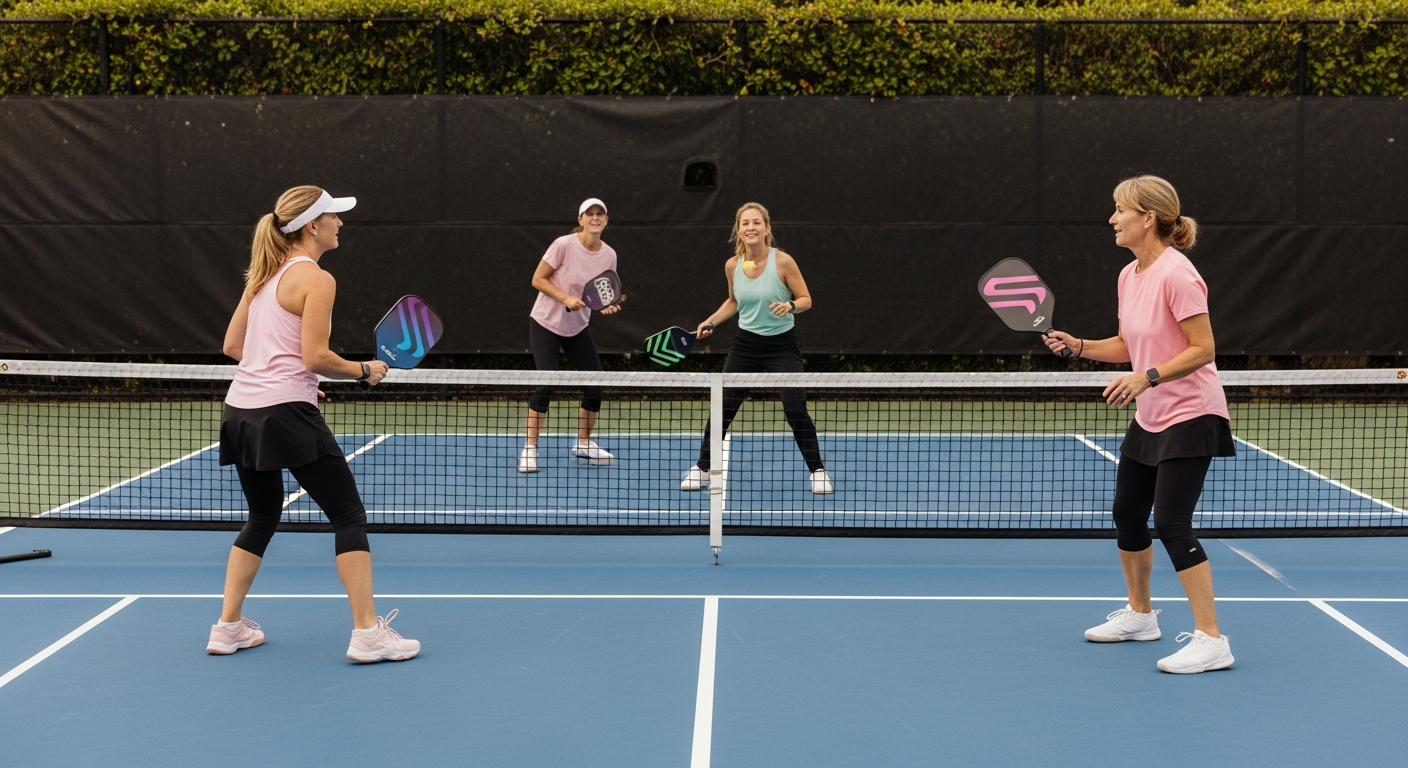
Unlock Your Team's Full Potential with Advanced Communication Signals
Hey Dinks! Ever feel like you and your partner are in sync, but there's still a tiny gap in your communication that costs you crucial points in a tournament? You're not alone! While a simple "Yours!" or "Mine!" is a fantastic starting point, competitive pickleball demands a more nuanced approach. In the heat of a tournament, every second counts, and clear, concise communication can be the difference between winning and watching from the sidelines. Today, we're diving deep into advanced communication signals for tournament doubles, helping you and your partner read each other's minds (almost!). Let's level up your doubles strategy and make your teamwork unstoppable.
The Foundation: Non-Verbal Cues and Eye Contact
Before we even get to verbal signals, let's talk about the silent language of the court. Non-verbal cues and consistent eye contact are the bedrock of advanced communication. You should be able to anticipate your partner's moves even before they speak. This comes from drilling together, but also from intentional practice during play.
- Eye Contact on the Serve/Return: Before your partner serves or returns, a quick glance can confirm position, intent, or even signal a poach.
- Paddle Position: If your partner's paddle is low and ready for a dink shot, you know they're likely going for a soft shot. If it's high and open, they might be looking to drive.
- Body Language: A slight lean forward might indicate an aggressive move, while a step back could signal a defensive play.
- Post-Shot Glance: After hitting a shot, quickly look at your partner to assess their readiness for the next ball or to confirm court coverage.
These subtle cues, especially when combined with a robust doubles strategy, allow for rapid adjustments and minimize miscommunication.
Pre-Point Strategy: Hand Signals and Code Words
The best time to communicate a complex strategy is before the point even begins. This is where hand signals and short code words become invaluable. Remember, discretion is key – you don't want your opponents knowing your game plan!
Serving Team Signals:
When you're about to serve, your partner can signal where they expect the return to go or what shot they're preparing for. This is particularly useful for anticipating the third shot drop or a drive.
- Poach Signal: An open hand, sometimes with a slight forward motion, can indicate that your partner plans to poach the third shot.
- Stay Back Signal: A closed fist typically tells your partner to stay or hold position, expecting a cross-court return or to cover the sideline.
- Target Area: Pointing quickly to a spot on the court (e.g., the opponent's backhand) can signal where to serve.
Receiving Team Signals:
Before the serve, you can signal your partner about your return strategy or their positioning.
- Return Strategy: A subtle nod or specific finger count can be used to communicate a pre-arranged return strategy, such as aiming for a specific zone or executing a particular type of shot.
- Stacking Preference: If you stack, a simple nod or head tilt can confirm the desired side for the stack.
Practice these signals extensively during your drills so they become second nature under pressure. Think about what professional pickleball players do; they often use subtle cues that are almost imperceptible to the audience.
In-Point Communication: Short, Sharp, and Specific
Once the ball is in play, verbal communication needs to be immediate and precise. Forget full sentences – think one or two words that convey critical information.
Court Coverage and Shot Responsibility:
- "Yours!" / "Mine!" / "Me!" / "You!" (with direction): This is still fundamental. But add direction for clarity: "Mine, middle!" or "Yours, line!" This prevents hesitation when a ball is in the middle.
- "Over!" / "Bounce!" / "No Bounce!" (for lobs): Essential for managing lobs. "Over!" means it's coming high, giving time to prepare. "Bounce!" means it's landing in, "No Bounce!" means take it out of the air.
- "Switch!" / "Stay!" (for partner positioning): If you've moved out of position, "Switch!" tells your partner to cover your side. "Stay!" confirms your coverage.
Offensive and Defensive Signals:
- "Drive!" / "Drop!" (for the third shot): If you're receiving the serve and know your partner is looking to hit the third shot, yell "Drive!" or "Drop!" to reinforce their choice and prepare yourself.
- "Attack!" (at the net): When an opponent leaves a ball vulnerable at the net, "Attack!" tells your partner to be aggressive and put it away.
- "Reset!" (for defensive play): When you're in a tough spot, "Reset!" signals to your partner to hit a soft, controlled shot to get back to the kitchen line and neutralize the rally.
Remember, the goal is to make these calls almost instinctive. The more you practice, the faster and more effective your communication will be, especially during competitive tournaments.
Drills to Master Your Communication
Ready to put these advanced techniques into practice? Here are a few drills to sharpen your communication skills:
Silent Game Drill:
Play a few points without any verbal communication. Force yourselves to rely solely on eye contact and non-verbal cues. This will highlight areas where your silent understanding needs work.
Call-Out Drill:
Play points, but before every single shot, one partner must call out the shot type they are hitting (e.g., "dink," "drive," "slice") or the intended target. This forces active communication and prediction.
Poaching Drill:
Designate one partner as the primary poacher. The other partner serves/returns and then gives a quick, subtle signal (e.g., an open hand) indicating whether to poach or stay. Practice reacting instantly to these signals.
Lob Coverage Drill:
Have an extra player or coach hit lobs randomly. Practice calling "Over!" "Bounce!" or "No Bounce!" and moving to cover the lob effectively, ensuring one partner takes responsibility.
Consistent practice with these drills will build the muscle memory and mental connection needed for superior doubles strategy. Consider reviewing pro matches to see how top players communicate implicitly and explicitly.
Beyond the Court: Debriefing and Trust
Communication isn't just about what happens during a point. After a match, especially a challenging one, take time to debrief with your partner. Discuss what worked well, what didn't, and any miscommunications that occurred. This feedback loop is crucial for continuous improvement.
Ultimately, advanced communication signals build trust. When you trust your partner to cover their area, to make the right call, and to execute their shots, you play more freely and effectively. This trust, combined with consistent practice of advanced techniques like the third shot drop and solid footwork, will significantly elevate your competitive game.
So, next time you step onto the court for a tournament, remember that your paddles are an extension of your hands, and your communication is an extension of your minds. Let's make every point a masterclass in teamwork!
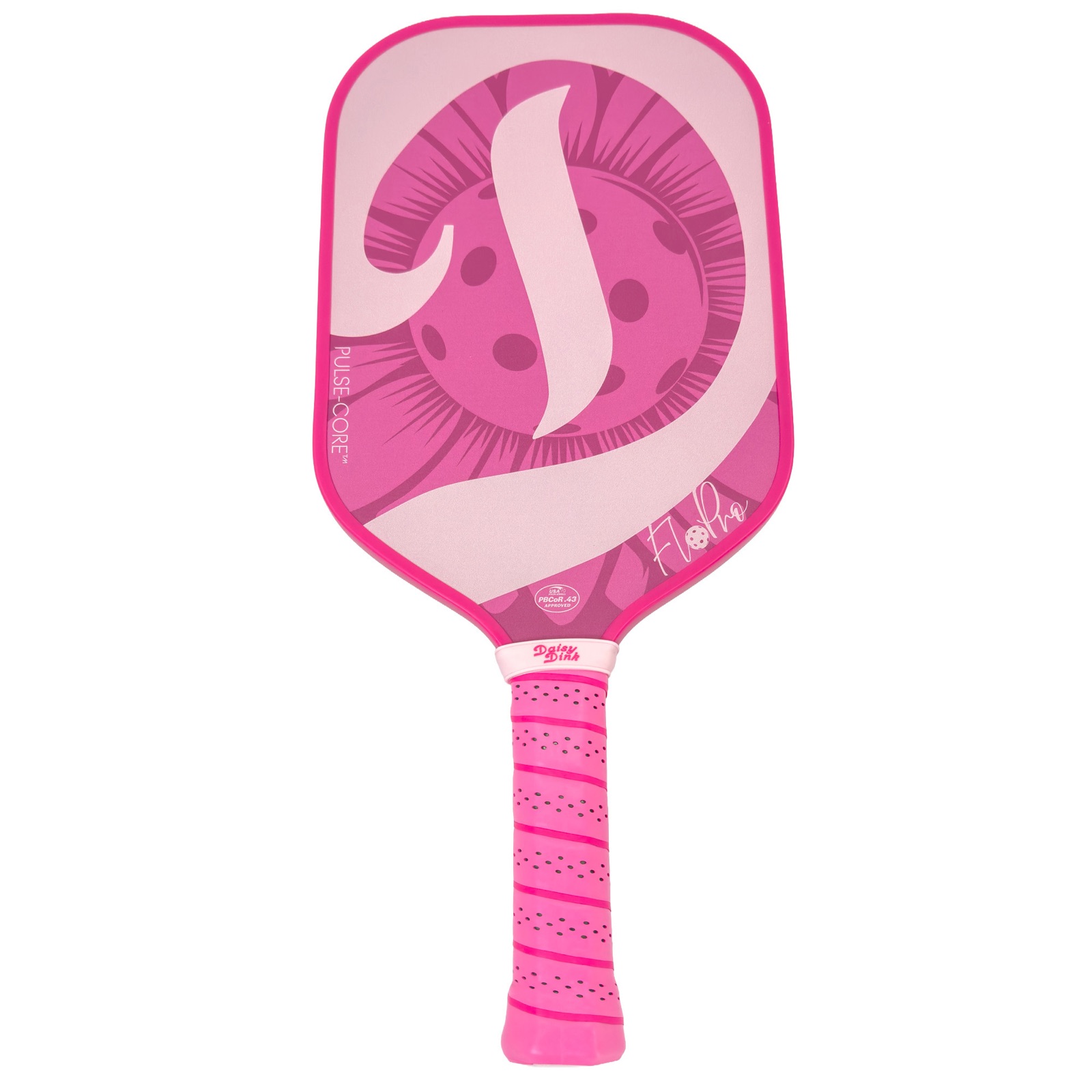
Ready to upgrade your gear? Check out our latest selection of pro-level paddles and accessories designed to give you an edge!
Women-owned, women-focused pickleball. We write about the gear, the game, and the culture. Live bold, play beautifully. 🌸
Keep reading
Join the conversation 🌸
Get The Daily Dink and weigh in every week.