
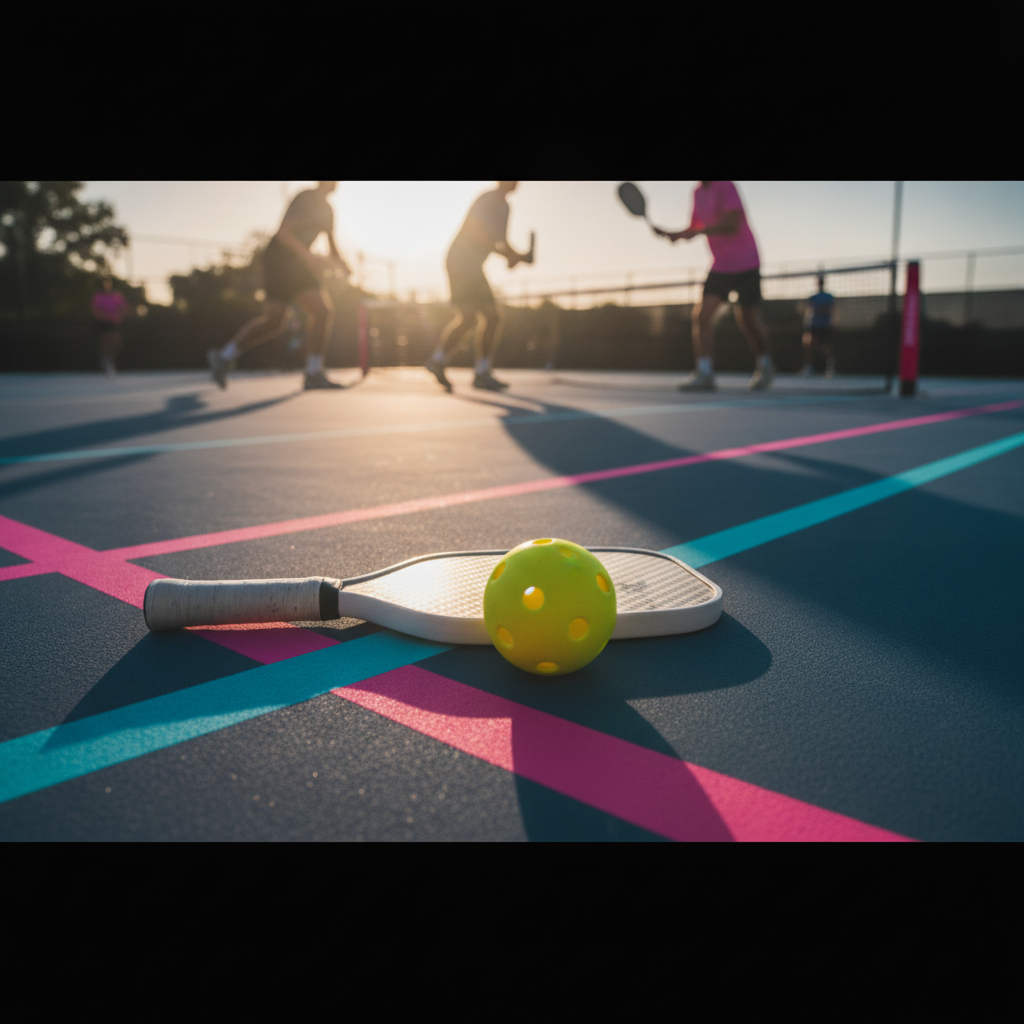
Pickleball's Evolution: A Win for Women Players!
Hey dinkers! Have you felt the buzz around the courts lately? It's not just the summer heat; it's the exciting energy from some impactful new pickleball rule changes that officially took effect in January 2021! These updates are a game-changer, especially when it comes to making our beloved sport even more inclusive and competitive for women players across all skill levels. As your friends at Daisy Dink, we’re thrilled to dive into how these rule adjustments are creating an adaptive advantage for everyone.
We all know pickleball's growth has been absolutely phenomenal, and with that growth comes the need for evolution. The governing bodies have been listening, observing, and working to refine the game, ensuring it remains fun, fair, and accessible. The latest round of updates focuses heavily on fostering a more equitable playing field, and honestly, we're here for it!
Key Rule Changes and Their Impact on Women's Play
Let's break down the most significant rule changes and chat about how they're specifically benefiting women's pickleball, from your local rec league to the professional PPA Tour and MLP tournaments.
The "Fault on Serve Let" is Gone!
Remember those little "let" serves that hit the net and landed in, forcing a re-serve? Well, they're officially a thing of the past! As of January 2021, if a serve hits the net and lands in the correct service box, it is now a live ball. This means play continues! This might seem small, but it has a ripple effect.
- Faster Paced Games: Fewer re-serves mean less downtime and more continuous play. This keeps the energy high and the matches flowing, which is great for everyone, especially in competitive tournament results.
- Mental Toughness: Players now need to be ready for anything right from the serve. It encourages quicker reactions and a more aggressive mindset, which can be a huge advantage for women who often excel in strategic, fast-paced play.
Clarified Legal Serve Motion: Reducing Ambiguity, Ensuring Fair Play
This is a big one, girls! The new rules, effective 2026, add the word "clearly" to the serve requirements. While the paddle head must still be below the wrist and the contact point below the waist, this clarification is intended to reduce ambiguity and potentially lead to stricter enforcement of illegal serves. This update aims to ensure fair play and consistent application of the rules.
- Confidence Booster: For many players, especially newer ones, understanding the serve rules can be a source of anxiety. Clearer guidelines reduce confusion, allowing players to focus more on technique and placement within defined parameters. This is fantastic news for encouraging more women to step up and serve with confidence.
- Fairer Competition: By reducing ambiguity, the rules promote a more consistent and fair playing field for all, ensuring that serves are executed legally across all levels of play. We might see professional players on the PPA Tour really hone their legal serving techniques!
Timeout Adjustments for Strategic Play
While the total number of timeouts often remains the same, how they can be used and called has seen some tweaks in certain sanctioned events. The specifics can vary slightly by tournament organizers (PPA, MLP), but the general trend is towards allowing more strategic use of timeouts or with clearer guidelines for injury timeouts.
- Enhanced Strategy: For high-level women's doubles and singles play, strategic timeouts can be crucial for momentum shifts, discussing tactics, or simply taking a breather. This change empowers players to better manage their energy and game plan.
- Fairer Competition: Clearer guidelines surrounding injury timeouts prevent potential misuse and ensure fair play, which is paramount in competitive professional pickleball.
Why These Updates Matter for Women's Pickleball
These rule changes aren't just technicalities; they represent a progressive step towards making pickleball truly accessible and enjoyable for everyone. For women players, they address several key areas:
- Reducing Barriers to Entry: Clearer serving rules mean new players can pick up the game faster and feel less overwhelmed by technicalities. This encourages more women to try pickleball and stick with it.
- Fostering Competitive Growth: By speeding up play and ensuring consistent rule application, the game becomes more dynamic. This pushes all players to refine their skills, leading to a higher level of competitive play across all divisions, from local leagues to professional championships.
- Prioritizing Player Experience: Ultimately, these updates are about enhancing the player experience. More continuous play, less frustration over technical faults, and greater strategic depth all contribute to a more enjoyable and engaging sport.
Looking Ahead: The Future of Inclusive Pickleball
The sport of pickleball is always evolving, and these recent rule updates are a testament to its commitment to inclusivity and dynamic play. It's exciting to imagine how these changes will shape the next generation of players and professional tournaments. We're already seeing incredible talent emerge in women's professional pickleball, and rules that support diverse playing styles and reduce unnecessary complexities will only help this trend continue.
So, grab your paddle, hit the courts, and experience these new rules for yourself! We'd love to hear what you think. And remember, whether you’re just starting out or aiming for that championship title, Daisy Dink has all the gear to help you shine. Check out our latest collections designed for women, by women!
Stay in the loop — subscribe to the Daisy Dink Dispatch for all the latest pickleball news, tips, and events!

Women-owned, women-focused pickleball. We write about the gear, the game, and the culture. Live bold, play beautifully. 🌸
Keep reading


Join the conversation 🌸
Get The Daily Dink and weigh in every week.